 Save
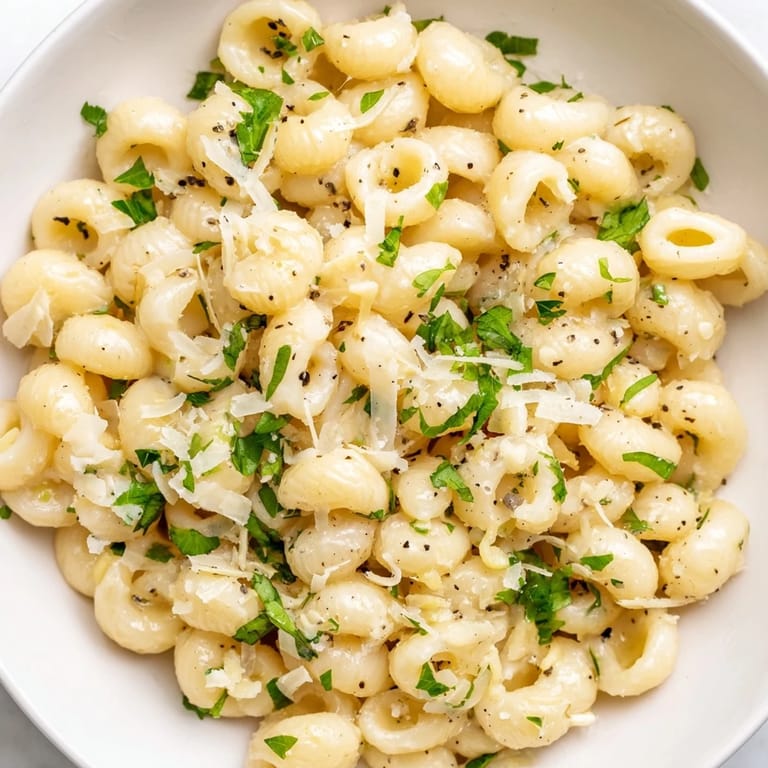
Save There's something magical about the moment when butter hits a hot pan and garlic starts whispering its perfume into the kitchen. I discovered this ditalini dish on a Tuesday night when I had fifteen minutes and nothing but hunger between me and the couch. Those tiny pasta tubes caught the silky sauce in a way I hadn't expected, and suddenly what felt like a rushed weeknight dinner became something I found myself making again and again.
I made this for my sister last month when she showed up unannounced, hungry and tired from work. By the time she sat down, steam was still rising from the bowl, and watching her take that first bite—the way her eyes closed for just a second—reminded me why simple, honest food is sometimes the most meaningful thing you can offer someone.
Ingredients
- Ditalini pasta (300 g): These small tubes are the secret to a sauce that clings rather than slides off; they catch and hold every bit of that creamy richness.
- Unsalted butter (4 tablespoons): Quality matters here since butter is the backbone—use something you'd actually eat on toast.
- Garlic (4 cloves, finely minced): Fresh is non-negotiable; it should smell sharp and bright, not papery or dull.
- Heavy cream (120 ml): The pasta water you reserve is just as important as this—it's your insurance policy against a sauce that's too thick or breaks.
- Parmesan cheese (50 g, freshly grated): Pre-grated cheese contains anti-caking agents that can make your sauce grainy; invest two minutes in a microplane and taste the difference.
- Black pepper and salt: Add pepper at the end so it stays bright and doesn't turn bitter from the heat.
- Fresh parsley and lemon zest: Optional, but they lift the whole dish with freshness—lemon especially cuts through the richness in a way that feels sophisticated.
Tired of Takeout? 🥡
Get 10 meals you can make faster than delivery arrives. Seriously.
One email. No spam. Unsubscribe anytime.
Instructions
- Get the water boiling and pasta cooking:
- Fill your pot generously, salt it until it tastes like a pleasant sea, and bring it to a rolling boil before the pasta goes in. Set a timer for whatever the package says minus one minute—al dente is when the pasta still has the tiniest bit of resistance when you bite it.
- Build the flavor base:
- Melt butter over medium heat and watch it foam slightly before the garlic goes in. You're listening for a gentle sizzle, not a aggressive pop—this is the moment that separates a clean, subtle sauce from a burnt-garlic disaster.
- Create the silky sauce:
- Lower the heat before adding cream and reserved pasta water, letting the mixture barely bubble at the edges. The starch in that pasta water is what helps everything emulsify into something smooth and luxurious.
- Bring it all together:
- Toss the drained pasta into the skillet and coat everything evenly, then sprinkle in the Parmesan a little at a time while stirring. If it starts looking too thick, a splash more pasta water saves it every time.
- Finish and taste:
- Remove from heat, stir in the parsley and lemon zest if you're using them, then taste on a clean spoon. Adjust salt and pepper until it tastes like something you'd want to eat again tomorrow.
 Save
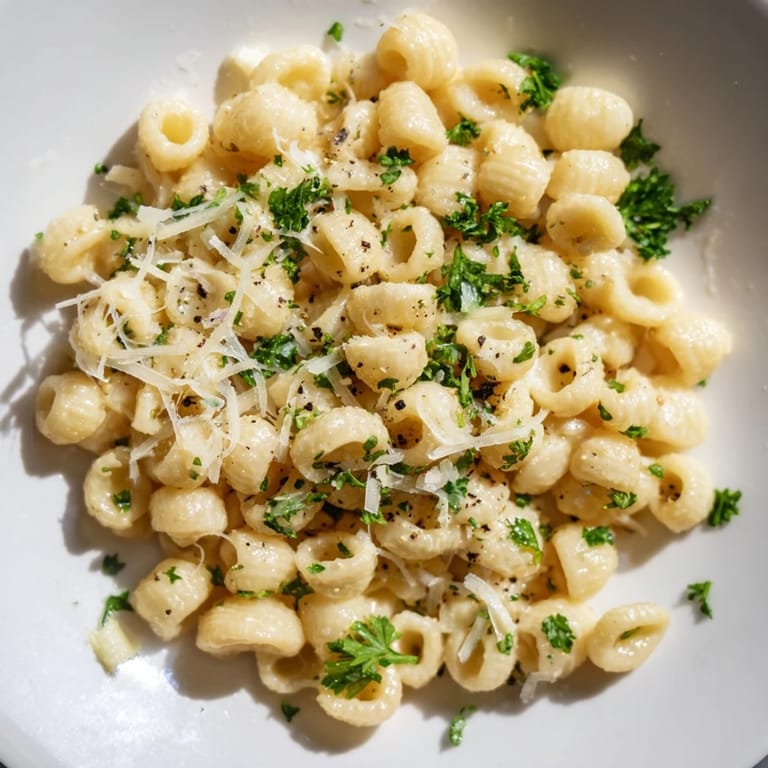
Save My favorite memory of this dish isn't in my kitchen at all—it's my neighbor eating it at their tiny kitchen table, one hand on the fork and the other just relaxed at their side, completely present. That's when I knew this recipe wasn't just convenient; it was the kind of food that lets people slow down, even when they're in a hurry.
Why This Works in Fifteen Minutes
The magic is in the math: ditalini cooks faster than most shapes because there's so much surface area, and a butter-cream sauce needs no simmering time to develop flavor. Everything happens in parallel—while pasta water boils, you're already making the sauce—so the clock keeps moving without you rushing.
Making It Your Own
Once you understand the ratio of butter, cream, and pasta water, you can play. Some nights I add a pinch of red pepper flakes for heat, other times I'll stir in a spoonful of mascarpone for extra indulgence. The foundation is so simple that it welcomes improvisation without ever feeling broken.
When and How to Serve This
This dish sings right off the stove, when the sauce is still glossy and the pasta hasn't started absorbing liquid. Pair it with a cold glass of Pinot Grigio, a simple green salad, and maybe some crusty bread for sauce-soaking. Leftovers live in the fridge for two days, though you'll need to reheat gently with a splash of milk or cream since the pasta will continue drinking the sauce as it sits.
- Serve in warm bowls so the food doesn't cool down before you take the first bite.
- A small handful of extra Parmesan and fresh parsley on top makes even day-old servings feel freshly made.
- If you're reheating, do it low and slow over the stove rather than the microwave—it takes thirty seconds longer but tastes infinitely better.
 Save
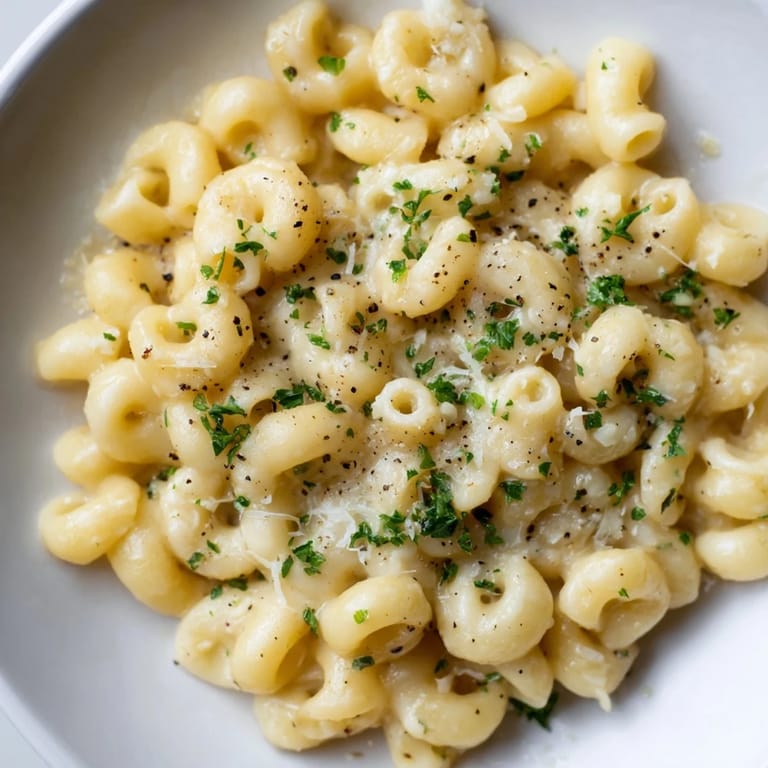
Save This is the kind of recipe I reach for when I need to feed myself or someone else without theater or fuss. It's honest, quick, and every single time, without fail, it tastes like care.
Common recipe questions
- → What type of pasta is best for this dish?
Small pasta shapes like ditalini work best as they hold the creamy sauce well and cook quickly.
- → How can I prevent the garlic from burning?
Sauté minced garlic over medium heat just until fragrant for about 1 to 2 minutes, then reduce the heat to avoid browning.
- → What is the purpose of reserved pasta water?
Adding reserved pasta water loosens the sauce and helps it cling smoothly to the pasta, enhancing texture.
- → Can I substitute Parmesan cheese?
Yes, aged hard cheeses like Pecorino Romano can be used for a similar savory depth.
- → What adds brightness to the creamy sauce?
Fresh parsley and a touch of lemon zest stirred in at the end add freshness and balance to the rich sauce.