 Save
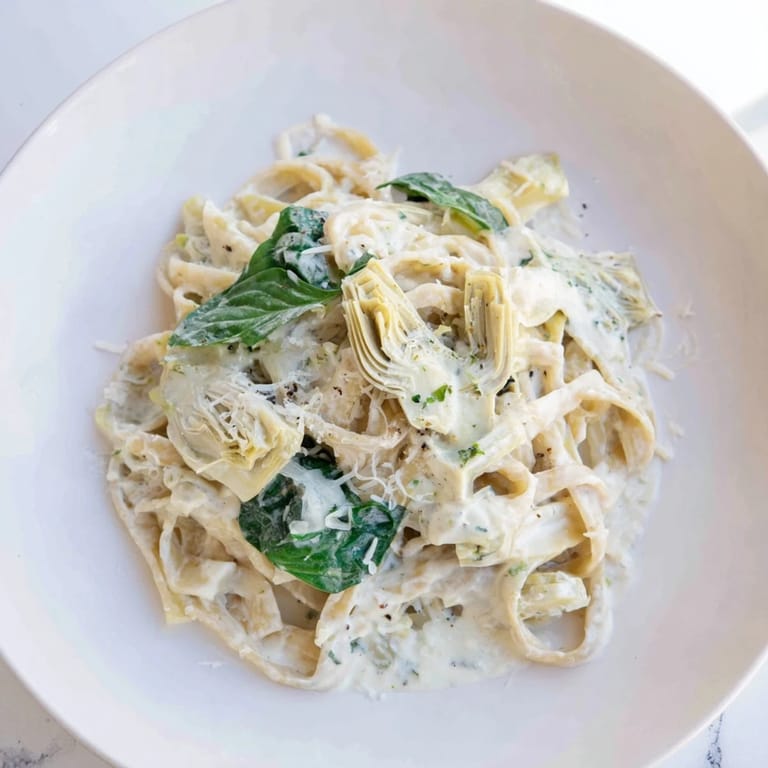
Save There's something about the combination of bright lemon and tender artichokes that immediately transports me to a sun-drenched kitchen in Tuscany—though honestly, I discovered this dish on a random Tuesday while cleaning out my pantry and finding a forgotten can of artichokes. I'd been craving something creamy but not heavy, and the idea of threading lemon through silky cream sauce felt like the right answer. The first time I made it, the aroma alone had my roommate hovering near the stove, and by the time the pasta hit the plate, I knew this would become one of those dishes I'd return to again and again.
I made this for my sister on her birthday when she mentioned wanting to eat lighter but still feel celebrated, and watching her close her eyes on the first bite told me everything—the creaminess, the artichokes catching just right against the pasta, the whisper of lemon that kept it all from feeling indulgent. She asked for the recipe that same night, and I realized it wasn't just about the ingredients but about how the whole thing came together with this effortless grace.
Ingredients
- Fettuccine or linguine (350 g / 12 oz): The wider ribbons catch the sauce beautifully, and you want a pasta that can hold onto that creamy coating without getting weighed down.
- Canned artichoke hearts (1 can, 400 g / 14 oz): Drained and quartered, they're tender enough to eat without any extra work, and honestly, they taste almost as good as fresh when treated right.
- Baby spinach (2 cups, optional): This is your green element, adding nutrition and a subtle earthiness that balances the brightness of lemon.
- Garlic and shallot (2 cloves garlic, minced; 1 small shallot, finely chopped): These are your flavor foundation—the shallot adds sweetness while garlic brings depth, and they'll become silky as they cook in the butter.
- Fresh lemon (zest of 1, juice of 1): The zest goes in early so its oils perfume the whole dish, while the juice arrives at the end to brighten everything with that final pop of acidity.
- Heavy cream (200 ml / 3/4 cup + 2 tbsp): This is what makes the sauce luxurious without being overwhelming—the dairy softens and rounds out the lemon's sharpness.
- Parmesan cheese (60 g / 1/2 cup, grated): Freshly grated melts into the sauce like silk and adds that savory depth that makes people ask what your secret ingredient is.
- Unsalted butter (2 tbsp): Together with the olive oil, this creates an emulsion that coats every strand of pasta perfectly.
- Extra-virgin olive oil (2 tbsp): Use the good stuff here—you can taste the difference in a dish this simple and light.
- Salt, black pepper, and red pepper flakes (1/2 tsp salt, 1/4 tsp black pepper, 1/4 tsp red pepper flakes optional): Season confidently and taste as you go; the red pepper flakes add a whisper of heat that makes people sit up and notice.
- Fresh basil or parsley for garnish: This final flourish isn't just decoration—it adds a fresh, grassy note that makes the dish sing.
Tired of Takeout? 🥡
Get 10 meals you can make faster than delivery arrives. Seriously.
One email. No spam. Unsubscribe anytime.
Instructions
- Get the pasta water ready:
- Fill a large pot with salted water—use enough that it tastes like the sea—and bring it to a rolling boil. Once it's bubbling hard, add your pasta and cook according to package directions until it's just tender with a slight resistance when you bite it. Before draining, scoop out about half a cup of that starchy water and set it aside; this liquid gold will help you adjust your sauce consistency later.
- Build your aromatic base:
- While the pasta cooks, heat the olive oil and butter together in a large skillet over medium heat, letting them warm and mingle for about a minute. Add the minced garlic and chopped shallot, stirring frequently, and let them soften for about 2 minutes until the kitchen fills with that unmistakable sweet-savory fragrance that tells you they're ready.
- Toast and flavor your artichokes:
- Stir in the quartered artichoke hearts and let them sit undisturbed for about a minute before stirring—this gentle heat will give them a subtle golden edge. Add the lemon zest now so its oils bloom into the fat, then toss in the spinach if you're using it, stirring until the leaves wilt and darken, which takes about a minute.
- Create your silky sauce:
- Pour in the heavy cream slowly while stirring, then bring everything to a gentle simmer—you're looking for small, lazy bubbles rather than an aggressive boil. Reduce the heat to low and stir in the grated Parmesan, lemon juice, salt, pepper, and red pepper flakes if using, tasting and adjusting until it tastes exactly right to you.
- Marry pasta and sauce:
- Add the drained pasta directly to the skillet and toss everything together gently but thoroughly, adding splashes of that reserved pasta water as needed until the sauce flows like silk around each strand. The starch in the water helps the sauce cling to the pasta while keeping everything loose and elegant rather than heavy.
- Finish and serve:
- Transfer to serving bowls or plates immediately while everything is still hot and glossy, finishing each portion with a generous handful of fresh basil or parsley and a shower of extra Parmesan if you like.
 Save
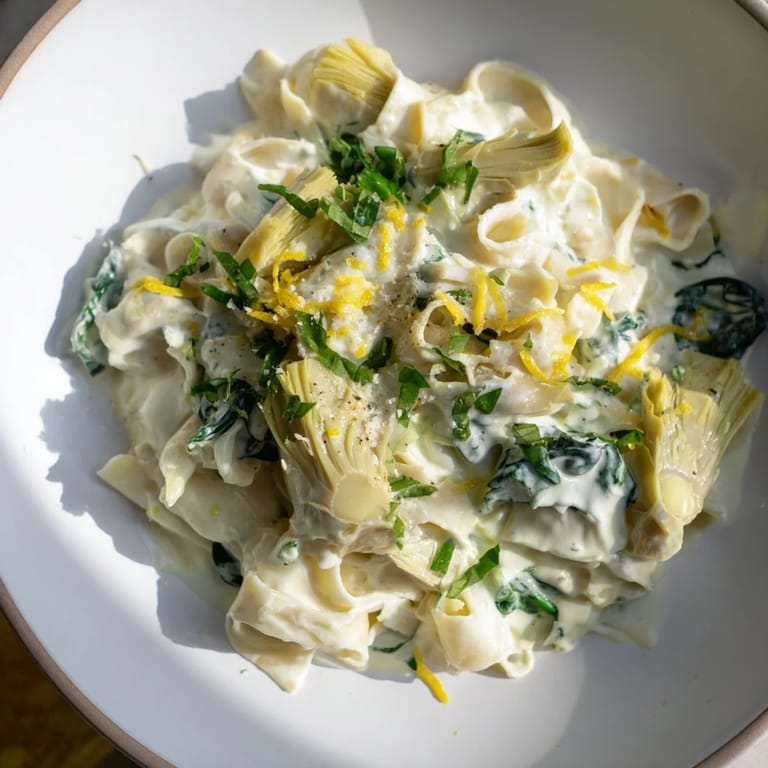
Save What struck me most while making this for a small dinner party was how my friend watched the transformation of those canned artichokes from something ordinary into something that tasted deliberately chosen and refined—it reminded me that good cooking isn't always about secret ingredients or complicated techniques, but about treating what you have with intention and respect. That simple moment shifted something in how I think about cooking for people.
Why This Dish Works So Well
The genius of this pasta lies in its balance: the earthiness of artichokes meets the brightness of lemon, the richness of cream is cut by the acidity of juice, and everything stays light because you're not drowning anything in sauce. It's the kind of dish where every element has a purpose, nothing fights with anything else, and the whole becomes more interesting than its individual parts. This is Tuscan cooking at its most elegant—not fussy, just intelligent.
Making It Your Own
I've learned that this recipe is a wonderful canvas for variations depending on what you have on hand or what you're craving—sometimes I add a handful of fresh peas for sweetness, other times I swap the spinach for arugula to add a peppery bite. The beauty of it is that the foundation is so solid that these small changes feel like improvisation rather than substitution, like you're composing rather than struggling.
Pairing and Serving Ideas
This pasta sings alongside a crisp white wine—a Pinot Grigio or Sauvignon Blanc will echo the lemon notes and cut through the cream beautifully, and the contrast of cold wine with warm, creamy pasta is genuinely one of life's small pleasures. Serve it with a simple green salad on the side to keep things refreshing, crusty bread to soak up any sauce on the plate, and the company of people who appreciate food that doesn't try too hard but rewards your attention.
- A squeeze of fresh lemon juice at the table lets everyone adjust the brightness to their own preference.
- If you're making this for people with dietary restrictions, the cream and cheese can be swapped for quality plant-based versions without losing the dish's essential character.
- Leftovers reheat gently on the stovetop with a splash of cream or pasta water, and while it's never quite as magical as the first serving, it's still absolutely worth eating the next day.
 Save
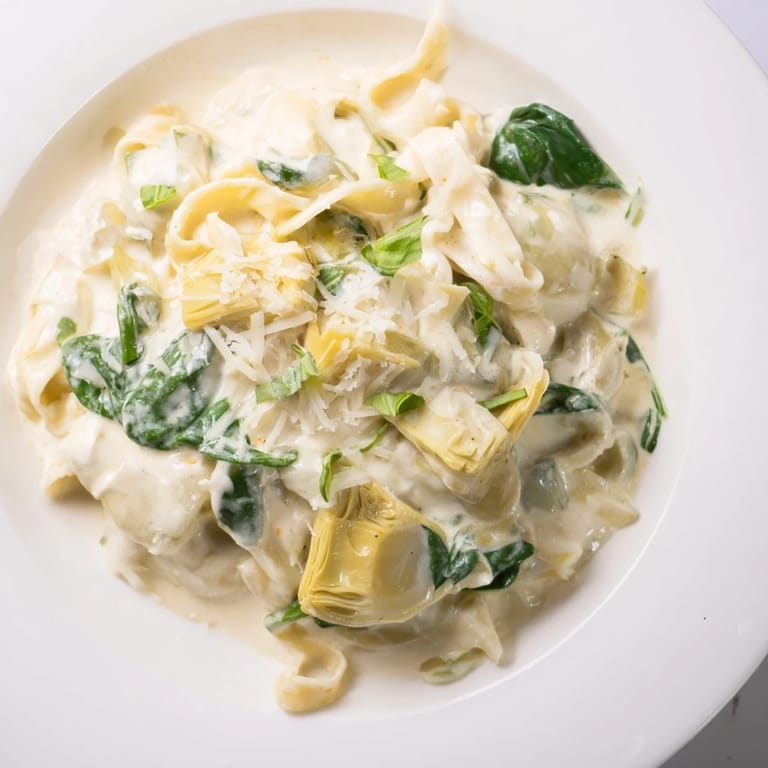
Save This pasta has become my go-to dish for nights when I want to feel like I've done something special without the stress, and I hope it becomes something similar for you—a recipe that lives in your regular rotation but never feels routine. There's real magic in that balance.
Common recipe questions
- → What type of pasta works best?
Fettuccine or linguine are ideal as they hold the creamy sauce well, but any long pasta can be used.
- → Can I add vegetables to this dish?
Yes, baby spinach is an excellent addition, adding both color and mild flavor without overpowering the dish.
- → How can I achieve a silky sauce consistency?
Reserve some pasta cooking water and add it gradually when mixing pasta with the sauce to achieve a smooth, creamy texture.
- → What herbs pair well with this dish?
Fresh basil or parsley garnish adds a bright, herbal note that complements the lemon and artichokes beautifully.
- → Is it possible to prepare a vegan version?
Substitute dairy cream and Parmesan with plant-based alternatives to create a vegan-friendly dish without sacrificing creaminess.