 Save
Save There's something about the smell of garlic hitting hot butter that makes you stop whatever you're doing in the kitchen. I learned this dish almost by accident one weeknight when I had hungry people showing up in twenty minutes and a package of chicken breasts staring me down. The trick isn't in fancy technique—it's in respecting the sear, letting the garlic whisper into the butter, and knowing when to stop before the sauce breaks. Once you nail this, you'll find yourself making it constantly, adapting it for whatever protein you have on hand.
I remember serving this at a casual dinner where someone showed up skeptical about "just" chicken, and watching their face change when they tasted the sauce. The way the lemon brightness cuts through the richness, how the browned bits from the pan dissolve into something almost creamy—that's when I knew this wasn't just weeknight food, it was something people would ask for.
Ingredients
- Chicken breasts or thighs, cut into 1-inch pieces: Thighs stay juicier if you're not watching the heat like a hawk, but breasts work fine if you don't overcook them—the key is that single layer sear.
- Salt and black pepper: Season generously before the pan goes hot; this is your only chance to season the chicken itself.
- Smoked paprika: Adds a whisper of depth and color without overpowering everything else.
- Olive oil: Just enough to prevent sticking; you want the pan hot enough that the chicken sizzles immediately.
- Unsalted butter: Four tablespoons makes the sauce luxurious, and unsalted lets you control salt levels.
- Garlic, finely minced: Five cloves is my baseline, but mince them yourself—jarred garlic tastes like regret in this dish.
- Red pepper flakes: Optional, but they add a gentle heat that complements the sweetness of the garlic.
- Chicken broth: Low-sodium so you're not fighting salt battles; it becomes the base of your sauce.
- Fresh lemon juice: A tablespoon is enough to brighten everything without making it taste citrusy.
- Fresh parsley: Chopped at the end, it's color and a gentle herbaceous note that keeps things from feeling heavy.
Tired of Takeout? 🥡
Get 10 meals you can make faster than delivery arrives. Seriously.
One email. No spam. Unsubscribe anytime.
Instructions
- Dry and season the chicken:
- Pat each piece with paper towels so they're not wet—moisture is the enemy of a good sear. Season with salt, pepper, and paprika, coating all sides.
- Get the pan screaming hot:
- Medium-high heat, olive oil in a large skillet. When a drop of water dances across the surface, you're ready. Lay the chicken down in a single layer and don't fuss with it for three to four minutes—let it develop that golden crust.
- Flip and finish searing:
- Turn each piece once and cook another three to four minutes until the chicken is cooked through but still tender. The meat should feel firm when you press it, not rubbery.
- Make the garlic butter base:
- Remove the chicken to a plate. Drop the heat to medium, add butter to the empty skillet, and watch it foam. Once it's melted and foamy, add the minced garlic and red pepper flakes. Stir constantly for about a minute—you're not looking for brown garlic, just fragrant and soft.
- Deglaze and simmer:
- Pour in the broth and lemon juice, scraping the bottom of the pan with a wooden spoon to lift all those caramelized bits. Let it bubble gently for two to three minutes so the flavors marry and the sauce tightens slightly.
- Bring it all together:
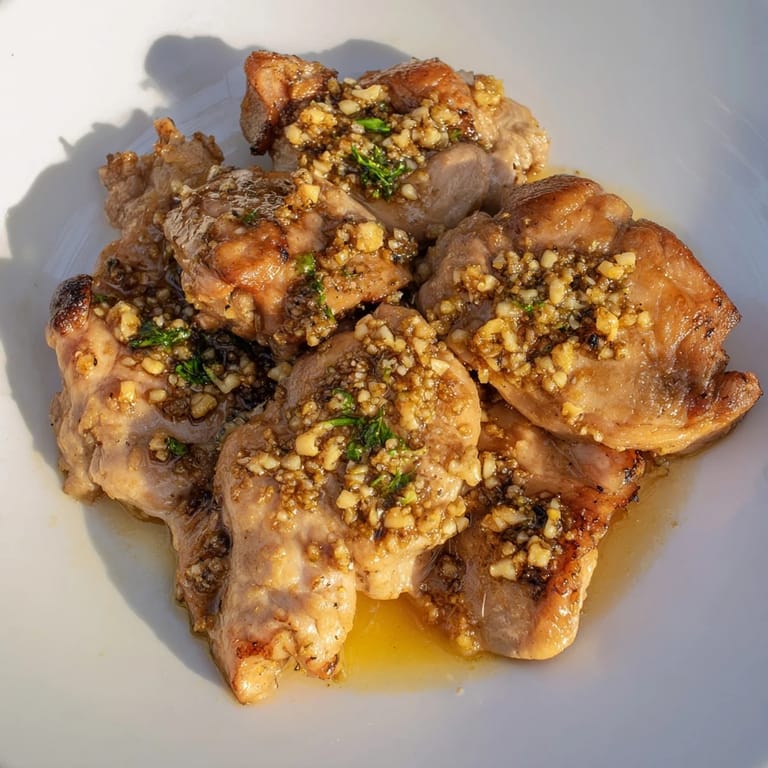
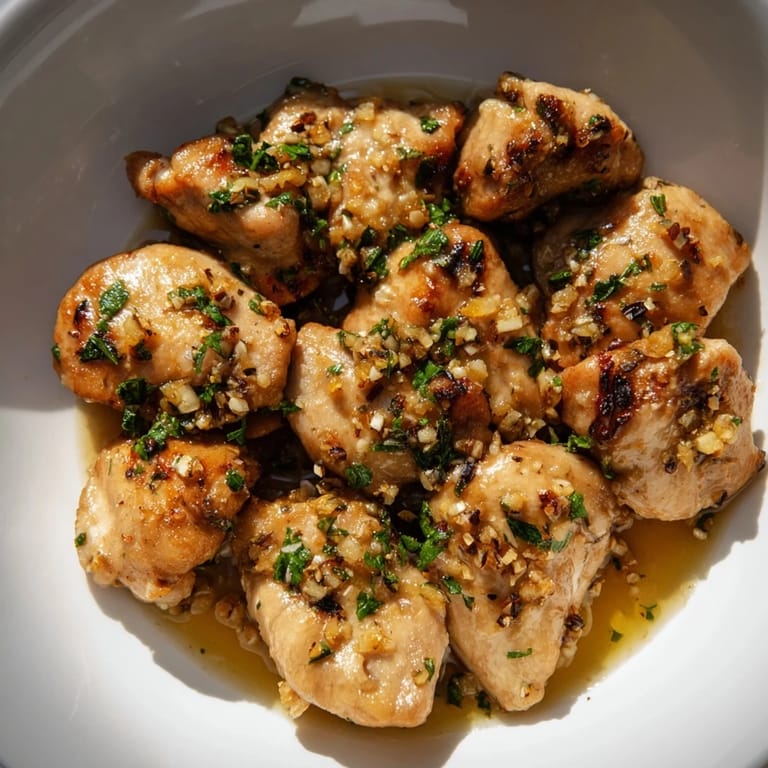
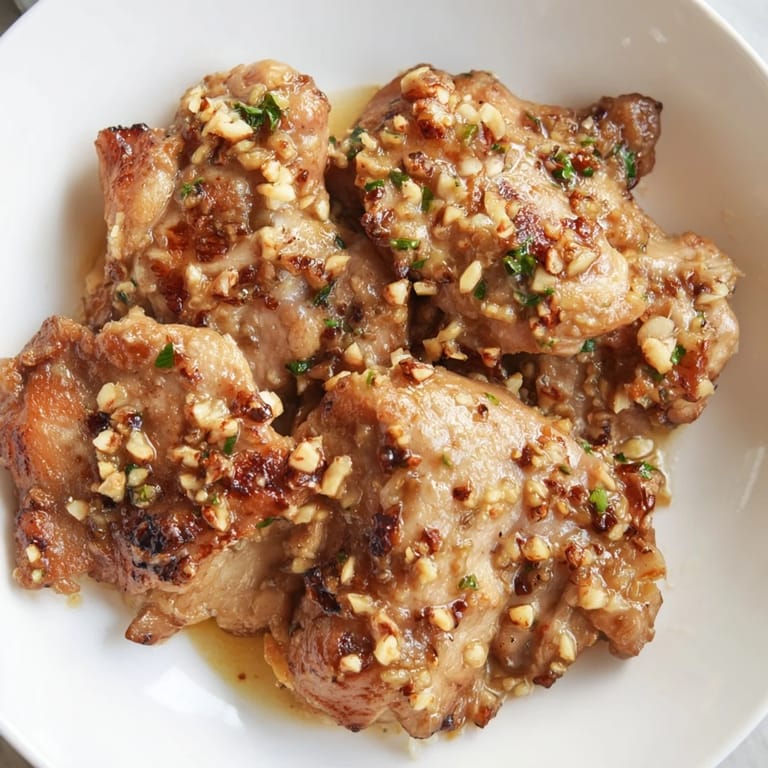
- Return the chicken to the skillet and toss everything to coat. Cook for one to two minutes more until the chicken is heated through and the sauce clings to every piece. Finish with fresh parsley and taste for salt.
 Save
Save What makes this dish special is how it bridges weeknight practicality and something that feels intentional enough to serve to people you want to impress. The simplicity is the whole point.
Why This Works as a Complete Meal
The sauce is rich enough that it becomes part of the main dish rather than just a garnish, but it's not heavy in the way cream-based sauces can be. Lemon and broth keep it bright and balanced, which is why you can eat a full plate without feeling like you need a nap afterward. Serve it over rice to catch every drop, or with roasted vegetables to add texture and color.
Variations That Actually Work
Swap the chicken for shrimp and reduce the cooking time in half—they'll be done in about a minute per side. White wine is a natural addition if you want to deepen the sauce. A handful of spinach or fresh mushrooms stirred in at the end adds substance without changing the flavor profile.
Building Your Garlic Butter Instinct
Once you understand how this sauce works—the way butter carries garlic flavor, how broth adds body without heaviness, when lemon rounds out the edges—you'll start using garlic butter on everything from fish to green beans. It's one of those foundational techniques that becomes second nature.
- Always taste the sauce before serving and adjust salt and lemon to your preference—every stove is different.
- Cold butter will seize up in the hot pan, so let it sit on the counter for a few minutes first.
- Leftover sauce keeps in the fridge for three days and is incredible melted over eggs the next morning.
 Save
Save This is the kind of dish that gets made again and again because it works and it tastes like you actually spent time cooking. That's worth something.
Common recipe questions
- → What type of chicken works best?
Boneless, skinless chicken breasts or thighs cut into bite-sized pieces work well for even cooking and tenderness.
- → Can I use a different fat instead of butter?
Butter is key for flavor, but olive oil can be used if you prefer a lighter option, though the richness will differ.
- → Is the red pepper flakes optional?
Yes, red pepper flakes add subtle heat but can be omitted for a milder taste.
- → How do I avoid overcooking the chicken?
Sear chicken pieces 3-4 minutes per side until just cooked through to retain juiciness and tenderness.
- → What sides complement this dish?
Steamed rice, mashed potatoes, or roasted vegetables pair wonderfully with the garlic butter flavors.