 Save
Save Last summer, I was tasked with bringing an appetizer to a dinner party hosted by a friend obsessed with ancient Rome. Rather than show up with the usual cheese board, I spent an afternoon arranging crackers in concentric circles around a bowl of olives—a playful nod to the Colosseum's grand arena. When I set it down on the table, the room fell silent for a moment, then erupted in laughter and appreciation. It became the centerpiece everyone kept returning to, picking up crackers, plucking olives, and snapping photos. That simple arrangement taught me that food doesn't have to be complicated to be memorable—sometimes the most delightful dishes are the ones that tell a visual story.
I'll never forget watching my neighbor's five-year-old carefully arrange tiny tomato halves between the olives, declaring herself the "architect of the arena." Her absolute concentration, tongue poking out slightly as she worked, reminded me why this platter resonates so deeply. It's not just food—it's an invitation to play, to build, to make something beautiful together. That afternoon, the platter became less about feeding people and more about creating a shared moment.
Ingredients
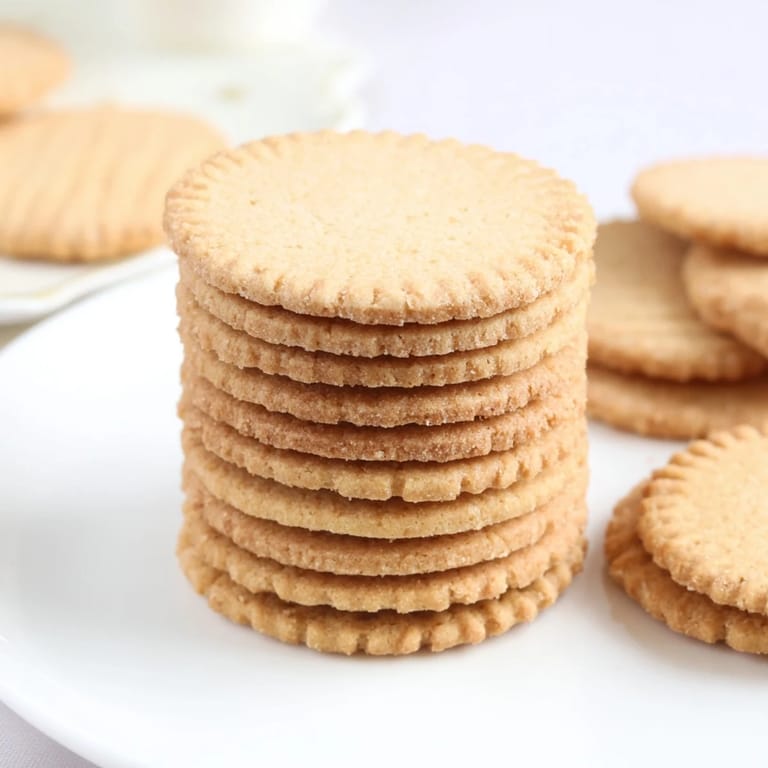
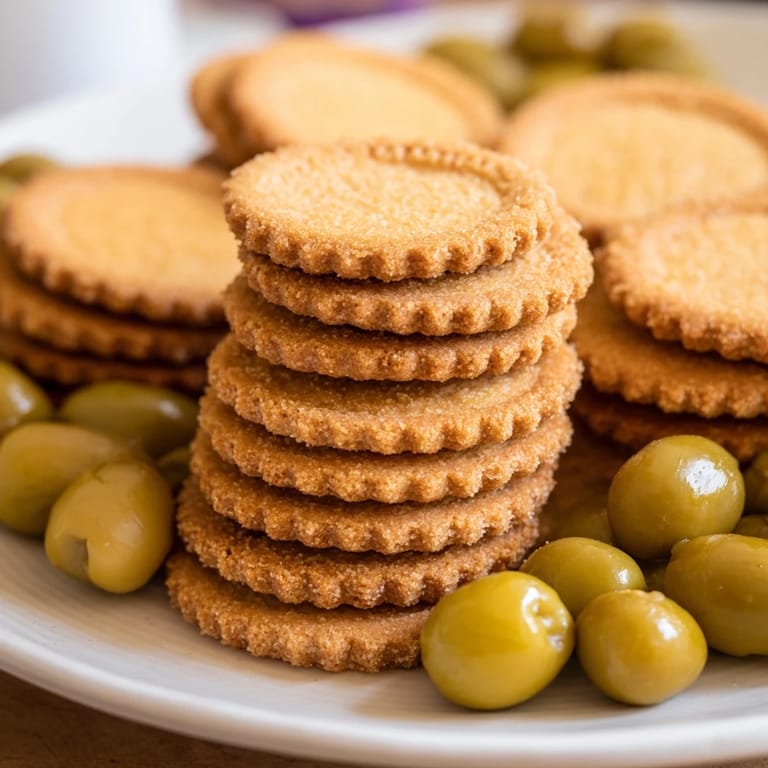
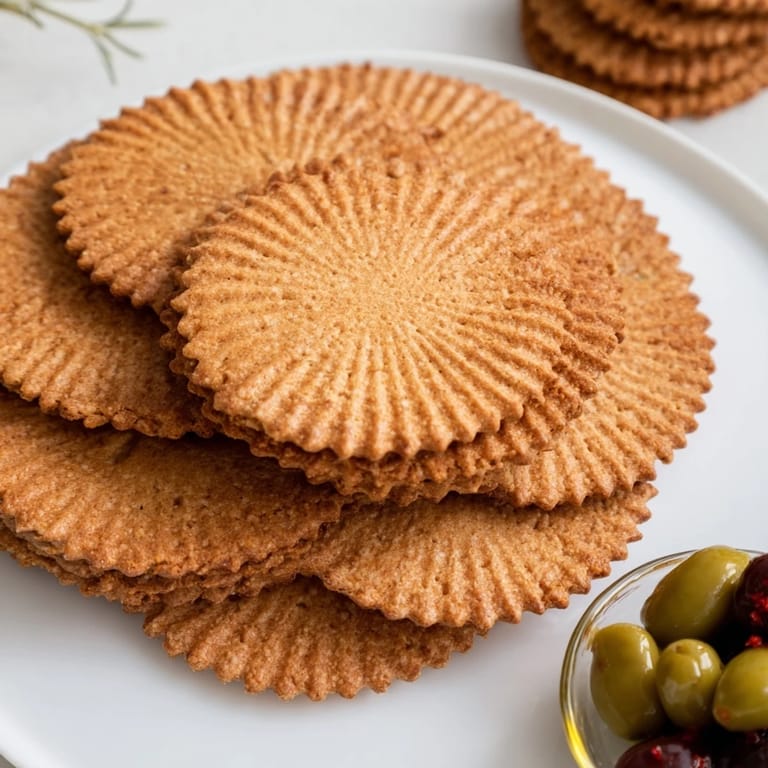
- Round or oval crackers (100–120 g, about 40–50 pieces): These are the foundation of your Colosseum, so choose ones sturdy enough to hold up without crumbling. I prefer slightly thicker varieties that won't snap when guests pick them up.
- Mixed olives, pitted (1 cup, about 150 g): The real stars of the show, representing the gladiators in the arena. A blend of green and black adds visual depth and offers different flavor profiles for guests to discover.
- Fresh parsley, finely chopped (2 tbsp, optional): This bright garnish adds a fresh, herbaceous note and breaks up the richness of the olives. It's the small detail that makes the platter look intentional.
- Extra virgin olive oil (1 tbsp, optional): A light drizzle not only enhances flavor but also catches the light beautifully, making your platter shimmer on the table.
- Cubed cheese (50 g, such as aged provolone or mozzarella, optional): This adds textural variety and richness; choose something with character that won't disappear into the background.
- Cherry tomatoes, halved (50 g, optional): Their bright red color provides visual contrast and a juicy, slightly tart complement to the briny olives.
Tired of Takeout? 🥡
Get 10 meals you can make faster than delivery arrives. Seriously.
One email. No spam. Unsubscribe anytime.
Instructions
- Set the stage:
- Find your largest round serving platter or board—this is your Colosseum foundation. The bigger the surface, the more dramatic your concentric circles will look.
- Build the arena walls:
- Standing your crackers upright or arranging them in slightly overlapping circles creates those iconic tiered rows you see in photos of the actual Colosseum. Work your way from the outer edge inward, and if you have room, create two or three layers for extra dimension. Don't worry about perfection—a few gaps actually add to the rustic charm.
- Crown the center:
- Pile your mixed olives in a generous mound right in the middle of the platter to represent the gladiators ready for battle. This is where all eyes will naturally land.
- Add your flourishes:
- If you're including cheese and tomatoes, tuck them around the olive mound in small clusters. These pops of color and texture transform the platter from simple to special.
- Finish with flair:
- Scatter your chopped parsley over the olives and give everything a delicate drizzle of extra virgin olive oil, if using. These final touches catch the light and signal that care went into the presentation.
- Serve with confidence:
- Set it out as the centerpiece, ideally with tongs or small toothpicks nearby for guests to use. Watch as people gather around, unable to resist the invitation to pick and graze.
 Save
Save Years ago, I brought a version of this to a work potluck and a colleague who'd just returned from Rome lit up with genuine joy at the reference. We spent ten minutes talking about the Colosseum, about travel, about how food can carry memory and meaning. That conversation reminded me that the best recipes are the ones that spark connection, that invite story, that give people permission to be playful.
Variations to Make It Your Own
This platter is endlessly adaptable, which is part of its charm. Swap crackers for breadsticks or crostini if you want a different crunch, or try a mix of both for textural variety. You could replace the olives with roasted chickpeas for a different flavor profile, or add cured meats tucked between the crackers for a heartier appetizer. The beauty of this arrangement is that it works with whatever you have on hand—treat it as a template, not a rigid formula.
Dietary Customizations Made Simple
For vegan guests, simply omit the cheese or swap it for a quality plant-based alternative that crumbles nicely. Gluten-free versions work perfectly with gluten-free crackers—the structure and visual impact remain exactly the same. I once made this for a mixed group with multiple dietary needs, and by keeping the components separate until the last moment, everyone could eat exactly what suited them while enjoying the same beautiful centerpiece. It's a reminder that inclusivity in cooking doesn't mean sacrificing style or fun.
- Always check olive packaging if nut allergies are a concern, as some varieties may be processed with nuts.
- Verify all ingredient labels before serving to guests with specific allergies or dietary restrictions.
- Consider prepping components in advance and assembling just before service to keep everything fresh and crisp.
 Save
Save This platter has quietly become my go-to when I want to bring something to a gathering that feels both thoughtful and easy. It's proof that sometimes the most satisfying recipes are the ones that blend practicality with a little bit of whimsy.
Common recipe questions
- → What crackers work best for this platter?
Round or oval crackers that can be stacked in layers work well. For variety, breadsticks or crostini can be used.
- → Can I make a vegan version of this platter?
Yes, simply omit the cheese or use plant-based alternatives to keep it vegan-friendly.
- → How do I create the Colosseum effect with crackers?
Arrange the crackers upright or slightly overlapped in concentric circles around a large round platter to imitate the tiered seating.
- → What olives are ideal for the center mound?
Use a mix of green and black pitted olives for contrasting colors and flavors, resembling gladiators in the arena.
- → Are there any allergen considerations?
This platter contains gluten from crackers and milk if cheese is included. Always check ingredient labels, especially for olives processed near nuts.