 Save
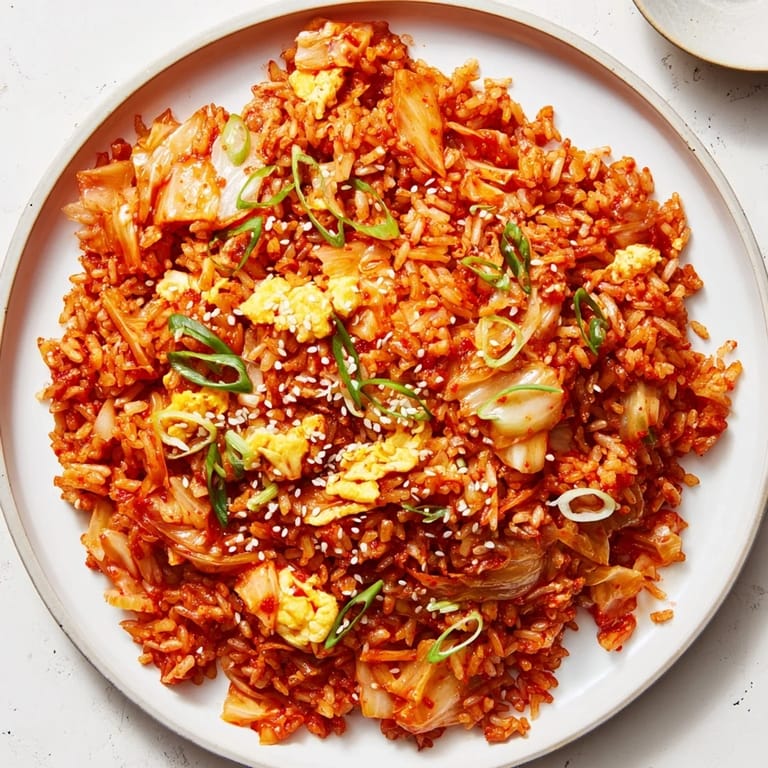
Save The first time I attempted kimchi fried rice, I made the rookie mistake of using fresh warm rice straight from the cooker. What resulted was a gummy, disappointing mush that had nothing to do with the crispy, restaurant-style dish I was craving. It took a Korean friend laughing over my shoulder and pointing to the fridge to teach me the golden rule: day-old cold rice or bust. Now I deliberately cook extra rice the night before just so I can make this for lunch the next day.
My tiny apartment kitchen fills with this incredible tangy, spicy aroma whenever I make this. My roommate used to poke her head in, sniffing dramatically, and ask what magical Korean grandmother had moved in. Now she just waits by the stove with her own bowl, knowing exactly whats coming. Its become our Friday night tradition, better than any delivery we could order.
Ingredients
- 2 cups cold cooked white rice: Day-old rice is non-negotiable here, it separates perfectly and crisps up beautifully
- 1 cup napa cabbage kimchi, chopped: The funkier and more fermented, the better your final dish will taste
- 2 tbsp kimchi juice: This liquid gold is what ties everything together with authentic tang
- 2 large eggs: Fried right in the pan for those pillowy clouds of protein throughout
- 2 tbsp gochujang: Korean chili paste brings sweet heat and deep umami notes
- 1 tbsp soy sauce: Adds saltiness and rounds out the fermented flavors
- 1 tsp toasted sesame oil: Finish with this for that unmistakable Korean aroma
- 1/2 small onion, finely diced: Builds the aromatic foundation
- 2 green onions, sliced: Separate white and green parts, they cook differently
- 1 tbsp vegetable oil: High-heat oil for proper stir-frying technique
Tired of Takeout? 🥡
Get 10 meals you can make faster than delivery arrives. Seriously.
One email. No spam. Unsubscribe anytime.
Instructions
- Sauté the aromatics:
- Heat vegetable oil in a large skillet or wok over medium-high heat until shimmering. Add the diced onion, white parts of green onions, and any optional carrot. Sauté for 2 to 3 minutes until softened and fragrant.
- Caramelize the kimchi:
- Add chopped kimchi to the pan and stir-fry for 2 to 3 minutes. You want it slightly caramelized and incredibly fragrant, this step builds deep flavor.
- Build the sauce base:
- Stir in gochujang, soy sauce, and sugar if using. Mix everything thoroughly until the kimchi is evenly coated in the reddish paste.
- Scramble the eggs:
- Push the kimchi mixture to one side of the pan. Crack eggs directly into the empty space and scramble quickly until just set, then fold into the mixture.
- Add the rice:
- Add cold rice to the pan, breaking up any clumps with your spatula. Combine everything thoroughly then pour in the kimchi juice.
- Stir-fry to perfection:
- Stir-fry for 3 to 4 minutes until rice is heated through and evenly coated. Let it get slightly crispy at the edges, thats the good part.
- Finish and serve:
- Drizzle with sesame oil and fold in green parts of green onions. Taste and adjust seasoning. Serve hot garnished with sesame seeds and roasted seaweed.
 Save
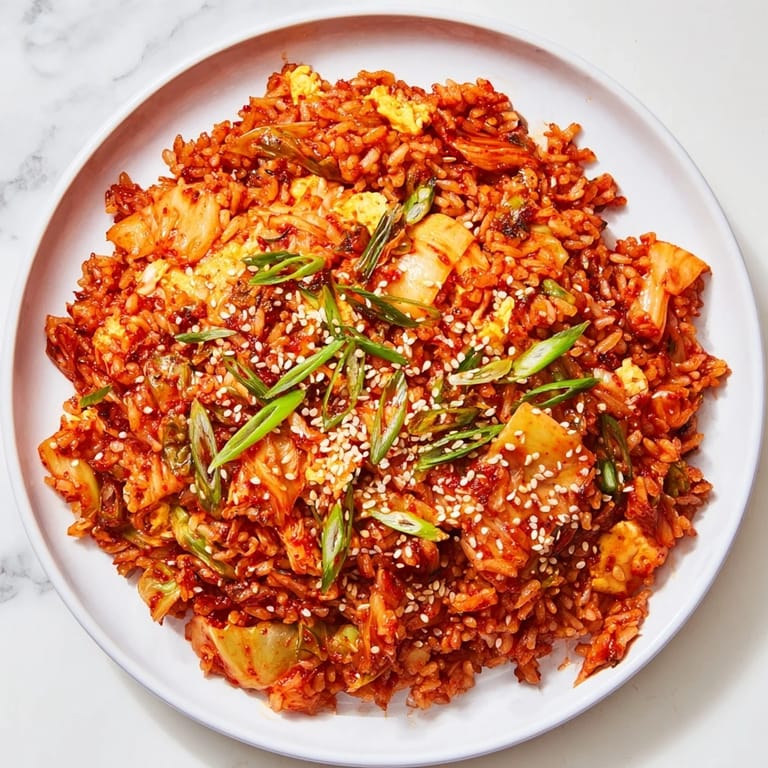
Save Last winter, during a particularly brutal week when everything seemed to go wrong, I made a triple batch of this. My friends gathered around my small kitchen table, snow piling up outside the window, and we ate bowl after bowl in companionable silence. Something about that spicy, comforting rice felt like a warm hug in food form. We sat there for hours long after the bowls were empty, just talking and feeling held together by good food and better company.
The Art of Rice Selection
Short-grain white rice gives you that authentic Korean restaurant texture, slightly sticky and perfect for catching all those flavorful sauces. Medium-grain works beautifully too. Long-grain rice tends to separate too much and wont hold onto the kimchi juices the way you want. Most importantly, never skip the overnight chill in the fridge.
Finding Your Spice Balance
Every brand of kimchi and gochujang has a different heat level. Start with the recommended amounts, then taste as you go. Some days I want gentle warmth, other times I crave that nose-tingling fire. The sugar isnt just for sweetness, it helps balance the kimchis natural acidity and creates that glossy restaurant finish.
Perfect Pairings
A cold Korean lager cuts through the spice beautifully, but honestly, an icy glass of milk works just as well. A simple cucumber salad dressed with rice vinegar provides refreshing contrast. For a complete meal, serve alongside soft tofu soup or Korean-style braised potatoes.
- Keep extra kimchi juice in the fridge to amp up leftovers
- Fry an extra egg sunny-side up for that picture-perfect topping
- Crisp up some seaweed snacks on the side for texture contrast
 Save
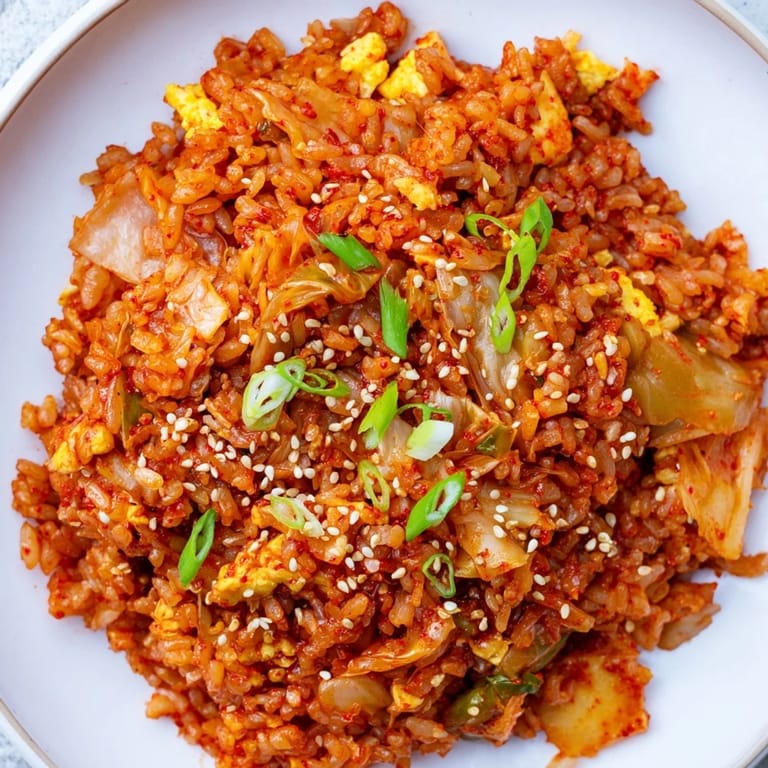
Save Theres something deeply satisfying about turning humble leftovers into something extraordinary. This recipe proves that the best dishes often come from simple ingredients treated with respect and attention.
Common recipe questions
- → Why use cold rice for kimchi fried rice?
Cold, day-old rice has less moisture and firmer texture, preventing the dish from becoming mushy. The grains separate easily and absorb sauces evenly while maintaining perfect chewiness throughout cooking.
- → Can I make this dish vegan?
Absolutely. Simply omit the eggs and add firm tofu or extra vegetables instead. Ensure your kimchi is vegetarian-made without fish sauce or shrimp paste, and verify that your gochujang doesn't contain hidden animal ingredients.
- → How spicy is this fried rice?
The spice level is moderate and adjustable. Gochujang provides mild to medium heat with rich umami flavors. Start with less chili paste if you're sensitive to spice, or add more for extra kick. The kimchi also contributes some heat depending on its fermentation level.
- → What protein additions work best?
Traditional options include diced pork belly, Spam, or shredded chicken. For lighter versions, try firm tofu, edamame, or shrimp. The proteins cook quickly alongside the kimchi and absorb all the savory flavors beautifully.
- → How do I store and reheat leftovers?
Store in an airtight container in the refrigerator for up to 3 days. Reheat in a skillet over medium heat with a splash of water or oil to refresh the texture. The flavors often deepen overnight, making leftovers even more delicious.
- → Can I use brown rice or cauliflower rice?
Yes, both work well. Brown rice adds nutty flavor and more fiber but may require slightly longer cooking and additional liquid. Cauliflower rice creates a low-carb version—cook it briefly to avoid softening too much since it releases water faster than grain rice.