 Save
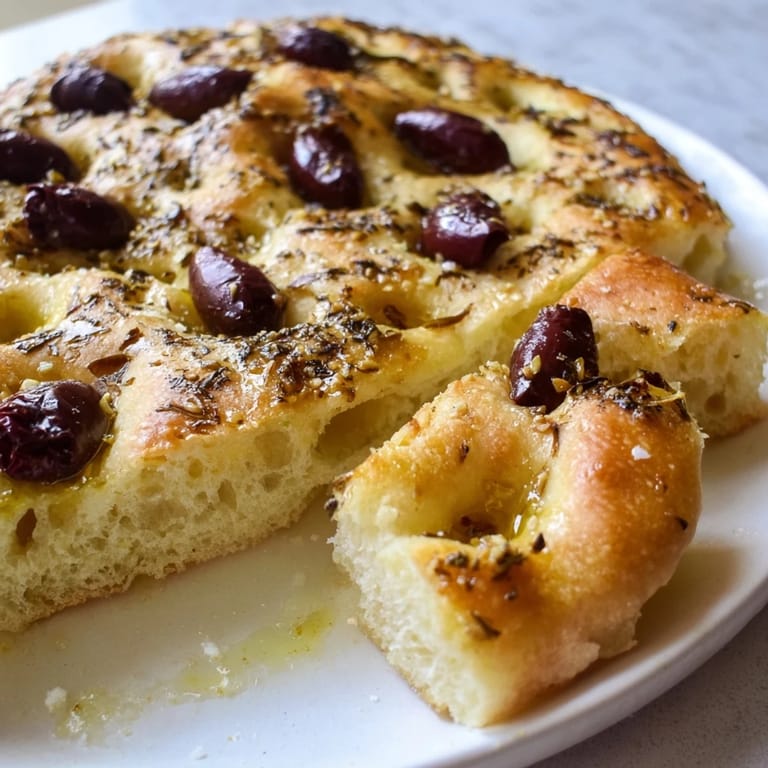
Save The first time I made zaatar focaccia, I was standing in a Mediterranean market in my mind, surrounded by the smell of olive oil and spices I couldn't quite name. A friend had handed me a jar of zaatar from her pantry with barely any explanation, just a knowing smile, and I decided right then to build an entire bread around it. That loaf turned out golden and dimpled, studded with briny olives, and it tasted like an accidental discovery that somehow felt intentional.
I remember pulling this out of the oven during a casual dinner party, and my neighbor literally stopped mid-conversation to ask what that smell was. By the time it cooled enough to slice, three people had already claimed their pieces, and I was mentally doubling the recipe for next time. That night taught me that simple bread, done right, is its own kind of magic.
Ingredients
- Bread flour: The structure of this bread depends on it, so don't swap it for all-purpose unless you enjoy a denser crumb.
- Active dry yeast: Make sure it's fresh and foamy when you bloom it, or the whole thing stalls.
- Warm water: Too hot kills the yeast, too cold and it won't wake up—aim for the warmth of a bath.
- Extra virgin olive oil: Use the good stuff here, the kind you'd drizzle on soup, because you'll taste every drop.
- Zaatar spice blend: This is the soul of the bread—earthy, tangy, slightly nutty, with hints of sumac and thyme.
- Kalamata olives: Their brininess cuts through the richness and keeps each bite interesting.
- Flaky sea salt: Scattered on top, it adds texture and draws out all the other flavors.
Tired of Takeout? 🥡
Get 10 meals you can make faster than delivery arrives. Seriously.
One email. No spam. Unsubscribe anytime.
Instructions
- Bloom the yeast:
- Dissolve your yeast in warm water and wait for it to foam up like a tiny miracle. This tells you everything is alive and ready to work.
- Build the dough:
- Combine flour and salt, then add the yeast mixture and olive oil, mixing until shaggy. Don't overthink this part—just bring it together.
- Knead until silky:
- Work the dough for 8 to 10 minutes by hand or machine until it's smooth and elastic, bouncing back gently when you poke it. This is where the magic starts.
- First rise:
- Oil a bowl, nestle the dough inside, cover it with a towel, and let it sit in a warm corner for an hour. You're looking for it to roughly double, but don't stress about precision.
- Shape and second rise:
- Oil your pan, punch down the dough with a satisfying force, and press it flat and even. Cover again and let it rise for 30 minutes until it looks pillowy and ready.
- Dimple and dress:
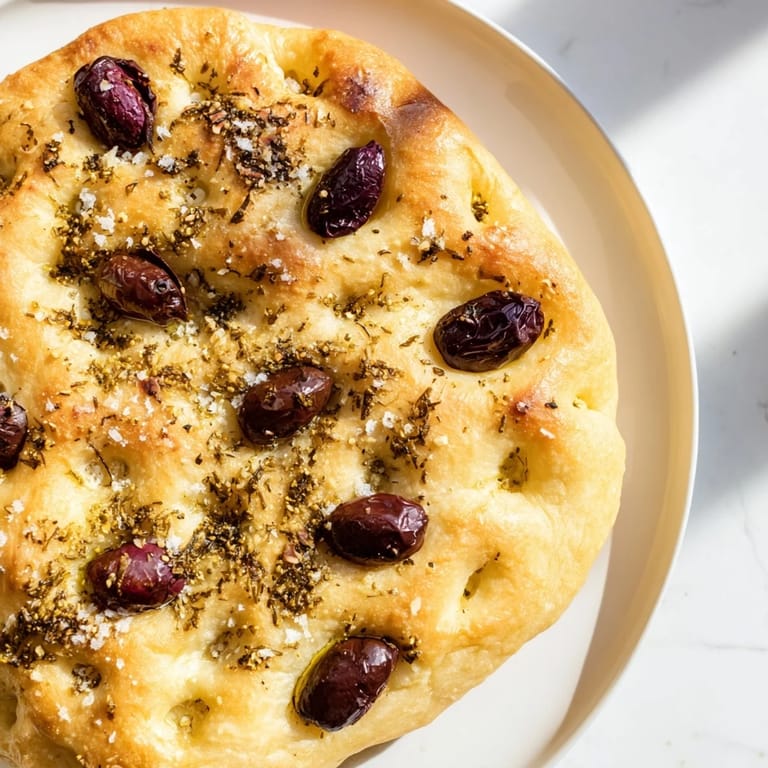
- Using your fingertips, press deep dimples all over the dough—this is meditative and practical at once. Drizzle generously with olive oil, scatter zaatar like confetti, distribute the olives, and finish with flaky salt.
- Bake until golden:
- Into a 220°C oven it goes for 20 to 25 minutes, until the edges are crisp and the top is a burnished golden brown. The smell alone will tell you when it's close.
 Save
Save There was an afternoon when my daughter helped me dimple the focaccia, pressing her small fingers into the dough with intense concentration, and I realized this bread has a way of making people want to touch it, shape it, make it their own. It became about more than feeding people that day—it became a moment we both remember.
The Art of Dimpling
Those finger pockets aren't decorative; they're functional pools designed to catch olive oil and let the zaatar settle deep into the bread. Press firmly but not aggressively—you want to create depth without deflating the dough. The dimples will look almost exaggerated before it goes into the oven, but they soften beautifully as the bread bakes, creating a tender, textured surface.
Why Zaatar Makes All the Difference
Zaatar is a spice blend that tastes like Mediterranean sunshine captured in a jar. It's tart from sumac, herbal from thyme and oregano, and slightly earthy from sesame seeds, and when it hits warm bread and hot olive oil, something alchemical happens. Most people have never had it, so this bread becomes their gentle introduction to a flavor they'll start hunting for after that first bite.
Serving and Storage Secrets
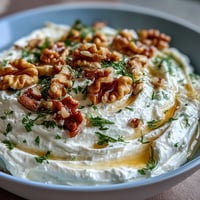
Serve this warm or at room temperature with hummus, labneh, or simply more olive oil for dipping. It's best the day it's made, when the crust is still crispy, but it reheats beautifully in a warm oven if you cover it loosely with foil. Leftovers, if there are any, make excellent toast the next morning, sliced thin and drizzled with olive oil.
- Pair it with creamy dips like hummus or tzatziki to balance the salty, herbal flavors.
- If you want to experiment, scatter some sun-dried tomatoes or roasted garlic into the dough before the second rise.
- A squeeze of fresh lemon juice over the warm bread adds brightness you didn't know it needed.
 Save
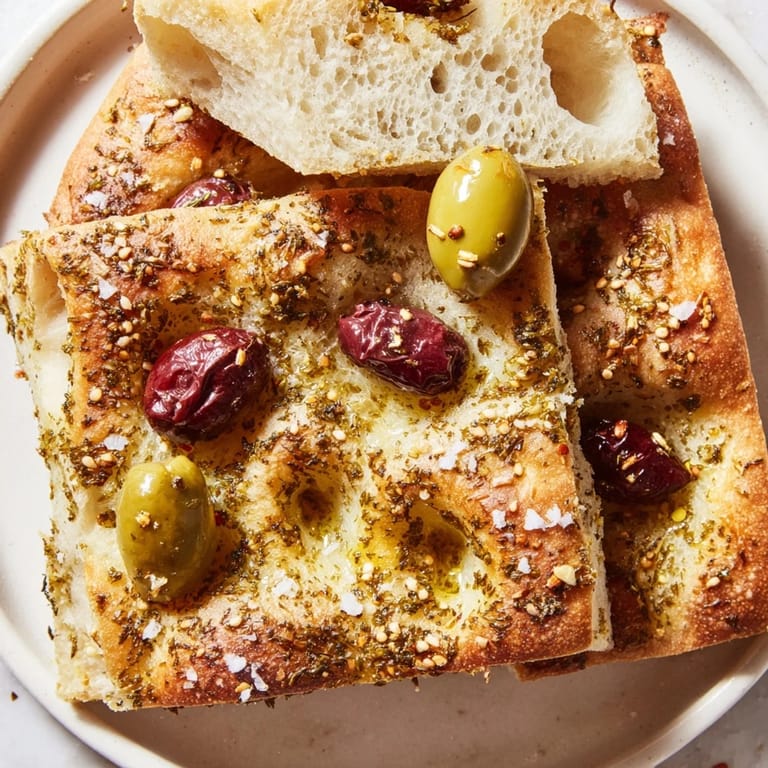
Save This focaccia has quietly become the bread I reach for when I want to impress without stress, and the one people ask me to bring to gatherings. It's proof that sometimes the most memorable dishes are the ones you build yourself, with ingredients you now understand and flavors that feel like a discovery each time.
Common recipe questions
- → What is the best way to achieve a fluffy focaccia texture?
Allowing the dough to rise twice and kneading it until smooth and elastic helps develop gluten for a light, airy focaccia.
- → Can I use other olives besides Kalamata?
Yes, green olives offer a milder flavor, while black olives can add richness; both work well with the zaatar topping.
- → How do I prevent the focaccia from drying out after baking?
Store it wrapped in a clean kitchen towel or airtight container; warm it gently before serving to retain moisture.
- → What are some complementary accompaniments?
Hummus, labneh, or a drizzle of extra virgin olive oil enhance the focaccia’s Mediterranean flavors.
- → Can I add other toppings to the focaccia?
Yes, sun-dried tomatoes, roasted garlic, or fresh herbs can be added to complement the zaatar and olives.