 Save
Save There's something about celery root that whispers rather than shouts. My neighbor handed me one at the farmer's market with a knowing smile, and I stood in my kitchen wondering what to do with this knobbly, pale root vegetable I'd never worked with before. That afternoon, I found myself creating this bisque almost by intuition, letting the subtle earthiness bloom into something unexpectedly luxurious. The steam rising from the pot filled my kitchen with a gentle, almost sweet aroma that made me pause mid-chop. What emerged was silky, elegant, and somehow both simple and special.
I made this for my book club one October evening when the weather had just turned cool enough to justify soup again. One guest—a picky eater if I'm being honest—went back for seconds without comment, which in her world was basically a standing ovation. Watching people relax around a bowl of something warm and creamy reminded me why cooking for others matters, even when the recipe itself is forgiving.
Ingredients
- 1 large celery root (about 700 g / 1.5 lb), peeled and diced: This is the star, with a flavor somewhere between celery and potato but milder and slightly sweet; peel it generously because the exterior can be tough and fibrous.
- 1 medium Yukon Gold potato, peeled and diced: It adds body and helps create that velvety texture without overpowering the celery root's delicate character.
- 1 medium leek, white and light green parts only, sliced: Leeks add a subtle sweetness that deepens as they cook, and using just the white and light green parts keeps the flavor refined.
- 1 small yellow onion, chopped: This is your aromatic foundation, building flavor quietly in the background.
- 2 garlic cloves, minced: Use fresh garlic here—it matters, because jarred can make the soup taste flat.
- 4 cups (1 liter) vegetable broth (gluten-free if needed): Good broth makes a real difference; I use homemade when I can, but quality store-bought works beautifully too.
- 1 cup (240 ml) whole milk or unsweetened plant-based milk: This brings creaminess without heaviness, so the soup stays elegant.
- 1/2 cup (120 ml) heavy cream or non-dairy cream: Just enough to give that luxurious mouthfeel that makes people think you spent hours on this.
- 2 tbsp unsalted butter or olive oil: Butter tastes slightly richer, but olive oil works if that's what you have.
- 1 bay leaf: It disappears into the background but keeps everything tasting intentional.
- 1/4 tsp ground white pepper: White pepper is milder than black and won't speckle the soup, keeping it pristinely pale.
- Salt, to taste: Always taste and adjust at the very end.
- Chopped chives or parsley for garnish: Fresh herbs wake up the final bowl and add a little visual contrast.
Tired of Takeout? 🥡
Get 10 meals you can make faster than delivery arrives. Seriously.
One email. No spam. Unsubscribe anytime.
Instructions
- Build your flavor base:
- Melt butter in a large pot over medium heat and add the sliced leek, chopped onion, and minced garlic. You're looking for soft and fragrant, not browned—about 5 minutes of gentle sautéing will do it, and your kitchen will smell like something good is about to happen.
- Welcome the celery root:
- Add your diced celery root and potato, and let them sit in the heat for another 3 minutes. This brief sauté deepens their flavor before they meet the broth.
- Let it simmer:
- Pour in the vegetable broth, tuck in the bay leaf, and bring everything to a boil, then drop the heat down to medium-low and cover it. Simmer for about 25 minutes until the vegetables have gone completely tender—you should be able to break a piece of celery root apart with just a wooden spoon.
- Make it smooth:
- Fish out and discard the bay leaf, then use an immersion blender to purée the soup right in the pot, working until it's completely velvety with no chunks. If you prefer, you can carefully transfer batches to a regular blender, but the immersion blender method is less fussy and keeps things warm.
- Finish with cream:
- Stir in the milk and cream, then heat gently without letting it boil—you're just bringing it back to temperature. Taste and season with salt and white pepper, adding just enough of each so the flavor feels balanced and clear.
- Serve with intention:
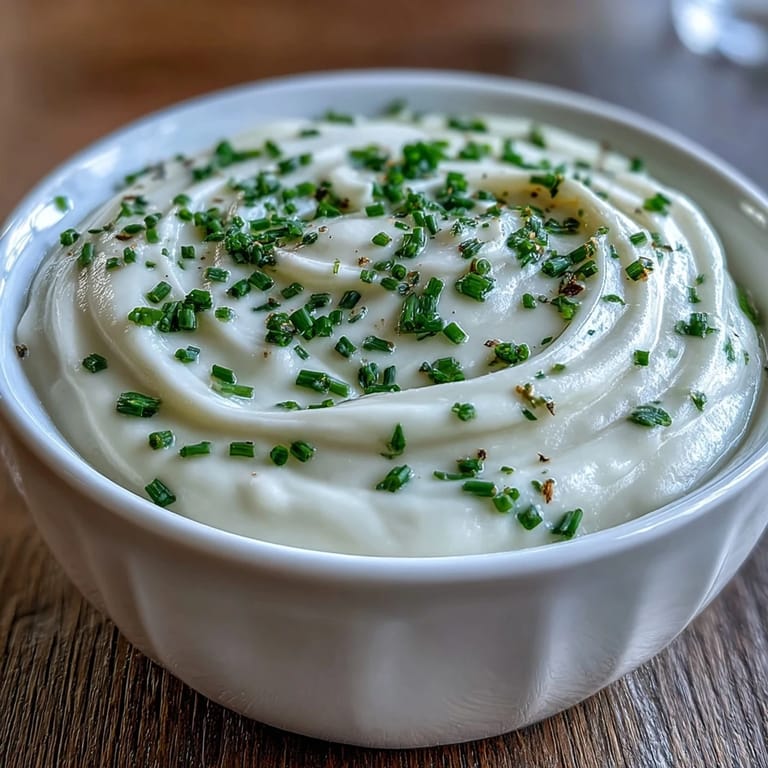
- Ladle into warm bowls and scatter chives or parsley over the top, with an optional drizzle of cream if you're feeling luxurious. Serve immediately while it's still steaming.
 Save
Save There was a moment, right after I'd blended the soup, when I stood at the stove and watched the cream swirl into the pale purée, and it hit me that the simplest ingredients, treated with patience, become something that feels almost ceremonial. That's when I understood why this soup has become my go-to when I want to cook something that feels thoughtful without being stressful.
Why Celery Root Is Underrated
Most people walk right past celery root at the market, intimidated by its craggy appearance or unsure what to do with it. But once you taste it cooked—especially in a soup like this where it can shine without competing flavors—you realize it's one of the most elegant vegetables available. It has a natural sweetness that develops with cooking, a texture that becomes silky when puréed, and a flavor that's sophisticated without being challenging. I've converted more than a few skeptics with this bisque.
The Vegan & Dairy-Free Path
If you're cooking for guests with dietary restrictions or following a plant-based diet yourself, this soup pivots beautifully. Swap the butter for olive oil, use quality plant-based milk and cream (oat or cashew milk work particularly well here), and the result is just as creamy and satisfying. I've made it both ways for dinner parties and honestly couldn't tell you which guests preferred which version—it's that seamless. The vegetables do all the heavy lifting, so you're never sacrificing flavor or texture by going plant-based.
Pairing & Serving Suggestions
This soup deserves a little attention when it's time to eat, so clear the table a bit and pour yourself something nice. A crisp white wine with mineral notes—think Sauvignon Blanc or Albariño—cuts through the richness beautifully, and crusty bread for soaking up the last spoonful makes the meal feel complete. I've also served it in small cups as an elegant first course at dinner parties, and it always sets a sophisticated tone for what comes next.
- Serve in warm bowls straight from the oven, because there's something about the warmth that makes everything taste better.
- Don't skip the fresh garnish of chives or parsley; those bright notes are what keep the soup from feeling heavy.
- If you're doubling the recipe, you may need to blend in two batches and the timing stays roughly the same.
 Save
Save There's real comfort in a bisque that tastes like it took hours but somehow didn't, and real joy in discovering that an ordinary root vegetable can taste extraordinary. This soup will become one of those recipes you return to again and again.
Common recipe questions
- → What does celery root taste like?
Celery root has a mild, subtle flavor reminiscent of celery and parsley with a slight nutty sweetness. Unlike its stalk counterpart, the root offers a more delicate taste that becomes wonderfully mellow when cooked, making it perfect for creamy soups.
- → Can I make this bisque vegan?
Absolutely. Substitute butter with olive oil, use unsweetened almond or oat milk instead of dairy milk, and replace heavy cream with coconut cream or cashew cream. The texture remains luxuriously smooth while accommodating plant-based preferences.
- → Why add potato to the bisque?
Potato acts as a natural thickener, adding body and creaminess without overpowering the delicate celery root flavor. It helps create that signature velvety texture while allowing the subtle star ingredient to shine through beautifully.
- → How do I achieve the smoothest texture?
Blend thoroughly with an immersion blender or countertop blender until completely silky. For an ultra-refined finish, pass the puréed soup through a fine-mesh sieve before adding the cream. This extra step removes any fibrous bits for restaurant-quality results.
- → Can I freeze celery root bisque?
Yes, freeze before adding the cream. Cool completely, transfer to airtight containers, and freeze for up to 3 months. When reheating, add the cream during the final warming phase to maintain the soup's luxurious consistency and prevent separation.
- → What wine pairs well with this bisque?
A crisp, mineral-driven white wine like Chablis, Sauvignon Blanc, or dry Riesling complements the earthy celery root beautifully. The wine's acidity cuts through the creaminess while enhancing the soup's refined, subtle flavors.