 Save
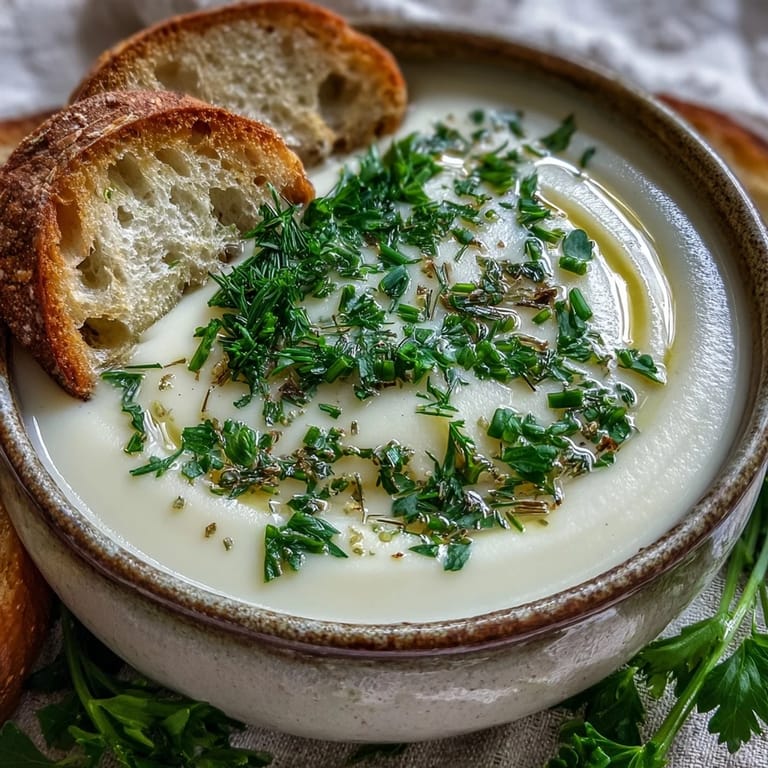
Save There's something almost magical about the smell of roasting parsnips filling a quiet kitchen on a chilly afternoon. My neighbor once asked what I was cooking because the aroma had drifted into the hallway, and when I told her it was just vegetables in the oven, she looked genuinely surprised. That's when I realized this soup deserved more respect than I'd been giving it, and I started treating it like the main event instead of a side dish. Now it's become my go-to when I want something that feels indulgent but doesn't require hours of fussing.
I made this for a friend who'd been having a rough week, and watching her face light up at that first spoonful reminded me why cooking for people matters. She said it tasted like someone cared about her, which probably says more about her moment than my soup, but I'll take it. Now whenever she visits, she asks if we're having parsnip soup, and I know I've actually created something meaningful.
Ingredients
- Parsnips, 800 g peeled and chunked: The star of the show, and they need to be roasted until their edges turn golden because that's where the sweetness lives.
- Onion and garlic, 1 medium and 2 cloves: These roast alongside the parsnips and become mellow and caramelized, adding depth without sharpness.
- Potato, 1 medium peeled and diced: This gives the soup body and creaminess, especially if you're using plant-based milk.
- Vegetable stock, 1 L: Use the best quality you can find because you can taste the difference in every spoonful.
- Milk, 200 ml whole or plant-based: Added after blending to soften the flavors and create that luxurious texture.
- Olive oil, 2 tbsp: Split between roasting the vegetables and finishing the soup.
- Bay leaf, thyme, white pepper: These cook with the soup and create a subtle backbone of flavor.
- Fresh parsley, chives, and dill, 2 tbsp each plus optional: The herbs are what make this soup sing, so don't skip them or substitute with dried.
Tired of Takeout? 🥡
Get 10 meals you can make faster than delivery arrives. Seriously.
One email. No spam. Unsubscribe anytime.
Instructions
- Get your oven ready:
- Preheat to 200°C (400°F) so it's hot and waiting when your vegetables are prepped. This takes about 10 minutes, so don't rush this step.
- Roast until golden:
- Toss your chunked parsnips, chopped onion, and whole garlic cloves with olive oil, spread them on a baking tray, and roast for 25 to 30 minutes, turning them halfway through. You're looking for edges that are caramelized and golden, not just soft.
- Build the base:
- Transfer your roasted vegetables to a large saucepan and add the diced potato, bay leaf, thyme, white pepper, and vegetable stock. Bring it to a boil, then lower the heat and let it simmer gently for about 15 minutes until the potato pieces are completely tender.
- Blend into silk:
- Fish out the bay leaf, then use a blender or immersion blender to turn everything into a completely smooth, velvety puree. Work in batches if using a blender, and never fill it more than halfway.
- Finish gently:
- Pour the blended soup back into the pan, stir in your milk, and reheat slowly without letting it boil, which would break the delicate texture. Taste and season with salt.
- Add life with herbs:
- Stir in your chopped fresh parsley, chives, and dill right before serving so they taste bright and alive. Ladle into bowls and add a small drizzle of olive oil or cream on top if you're feeling it.
 Save
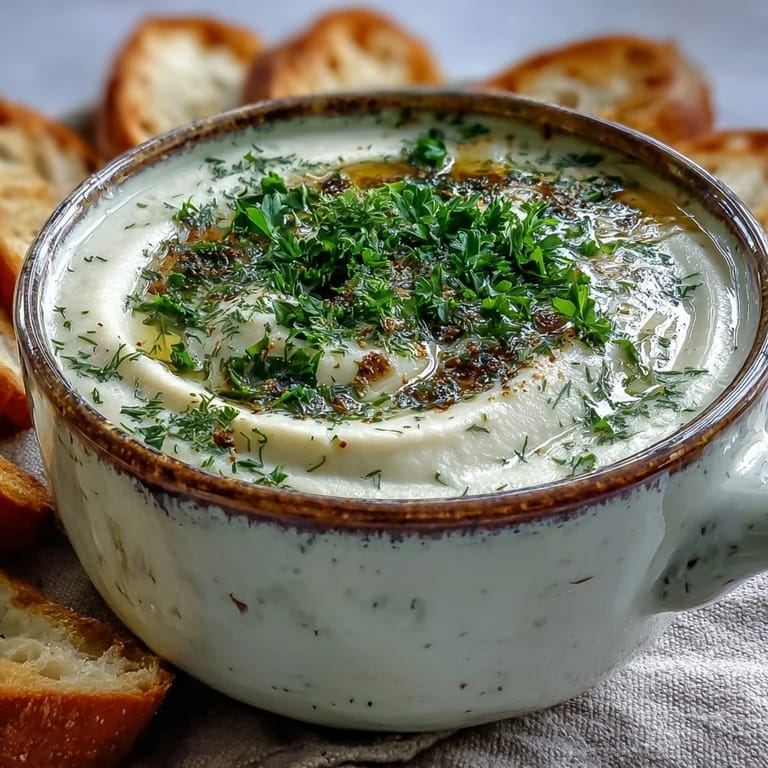
Save There was a moment last winter when my daughter came home from school and asked if we could have soup for dinner before I'd even started cooking. I made this, and she sat at the table finishing her bowl while telling me about her day, and I realized that simple, good food creates space for real conversation. That's the kind of recipe worth keeping.
The Magic of Roasting Vegetables
Roasting isn't just a cooking technique, it's a flavor multiplier. When vegetables roast, their natural sugars concentrate and caramelize, creating a depth that you simply can't get from boiling or steaming. I learned this the hard way by trying to make shortcuts, and every time I skipped the roasting step, the soup tasted flat and one-dimensional. Now I roast everything, and the difference is night and day.
Making It Your Own
This recipe is flexible in ways that make it feel personal each time you make it. You can add a whisper of nutmeg if you want warmth, or a pinch of cayenne if you're feeling bold. Some people swirl in a touch of balsamic vinegar, and I once added crispy sage just for the sound it made when people bit into it. The structure stays solid, but the expression can change based on your mood and what's in your pantry.
Serving and Pairing Ideas
This soup works as an elegant starter for dinner or as a satisfying light lunch when you're not in the mood for something heavy. I've served it in small cups at cocktail parties, and I've also ladled it into big bowls for casual weeknight dinners with crusty bread. It pairs surprisingly well with crisp white wine or dry cider, and the contrast between the cool drink and warm soup creates a lovely rhythm.
- Serve in small teacups for an elegant first course, or fill a proper bowl for a solo lunch.
- Crusty bread, grilled cheese, or a simple green salad all feel like natural companions to this soup.
- Make it ahead and reheat gently on the stovetop, never in the microwave, to keep the texture silky.
 Save
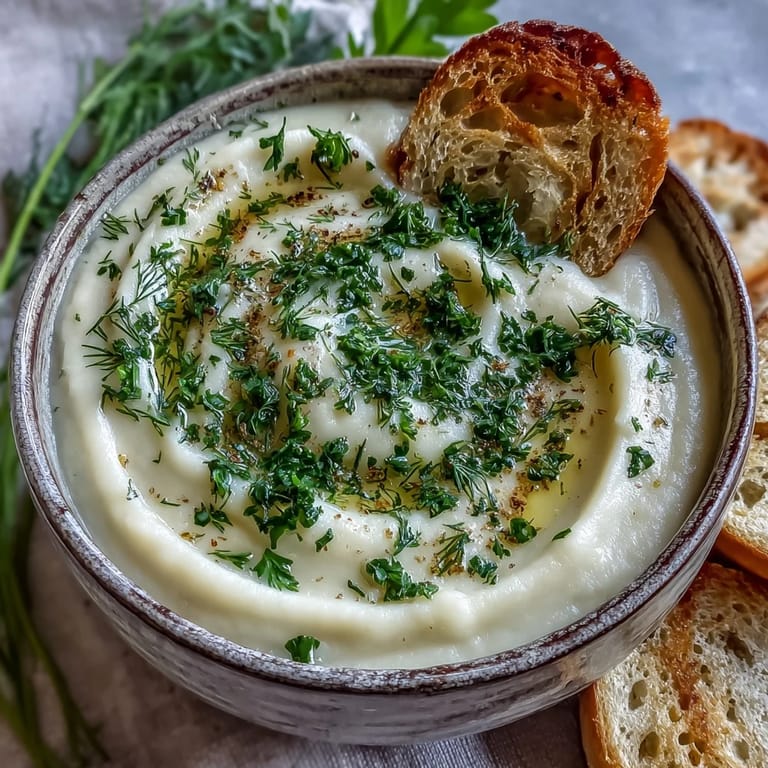
Save This soup has become one of those recipes that teaches you something every time you make it. The real lesson isn't about technique, it's about taking simple ingredients seriously and trusting that care shows up in the final bowl.
Common recipe questions
- → Can I freeze this parsnip soup?
Yes, this soup freezes beautifully. Allow it to cool completely before transferring to airtight containers. It will keep for up to 3 months in the freezer. Thaw overnight in the refrigerator and reheat gently, adding a splash of milk if needed to restore consistency.
- → What herbs work best with parsnips?
Fresh thyme, bay leaf, parsley, chives, and dill create a harmonious balance. Thyme adds earthy depth during cooking, while the finishing herbs bring brightness. You can also experiment with sage or rosemary for a more robust flavour profile.
- → Why roast parsnips before boiling?
Roasting at 200°C caramelises the natural sugars in parsnips, creating deep, sweet, and nutty flavours that boiling alone cannot achieve. This extra step transforms the soup from ordinary to exceptional, adding richness and complexity to every spoonful.
- → How do I make this soup vegan?
Simply swap the whole milk for your favourite unsweetened plant-based milk—oat, almond, or coconut work wonderfully. Omit any cream garnish or use a drizzle of coconut cream or cashew cream instead. The result remains just as creamy and satisfying.
- → What can I serve with parsnip soup?
Crusty bread, garlic toast, or savoury scones make perfect accompaniments. A light green salad with vinaigrette cuts through the creaminess. For a more substantial meal, top with croutons or serve alongside a cheese board. A crisp Sauvignon Blanc or dry cider complements the flavours beautifully.
- → Can I use other root vegetables?
Absolutely. Replace some parsnips with carrots, celery root, or sweet potato for different flavour profiles. Keep the total weight the same and adjust roasting time as needed. The herb blend works equally well with mixed root vegetables.