 Save
Save My roommate was training for a half-marathon and always complained that breakfast didn't stick with him long enough. One Saturday morning, I grabbed whatever was in the fridge—eggs, Greek yogurt, protein powder—and thought, why not make French toast that actually feels like a real meal? The first batch came out custardy and golden, and he ate three slices before heading out for his run. That was the moment I realized protein-packed French toast could bridge that gap between comfort food and something that actually fuels your body.
I made this for my friend who'd just started weightlifting and was tired of the same protein shakes. Watching her face light up when she bit into that thick, creamy center—that's when I knew this recipe was special. She asked for it three more times that month.
Ingredients
- 8 slices whole grain or brioche bread (preferably slightly stale): Stale bread absorbs the egg mixture without turning into mush; it's the difference between custardy and soggy.
- 4 large eggs: The foundation of everything—they bind, enrich, and create that custard-like texture when you don't skimp.
- 1 cup (240 ml) milk (dairy or unsweetened almond milk): This loosens the mixture so the bread can actually drink it in without getting overwhelmed.
- 1/2 cup (120 g) plain Greek yogurt or cottage cheese: This is the secret—it adds richness and protein without any thinning effect that regular protein sources bring.
- 1 scoop (about 30 g) vanilla or unflavored protein powder: Choose vanilla if you want sweetness, unflavored if you're adding extra maple syrup.
- 1 tbsp (15 ml) maple syrup or honey: A tablespoon might seem light, but the bread sweetens as it toasts.
- 1 tsp vanilla extract: Non-negotiable for that warm, familiar flavor that makes people ask what's in it.
- 1/2 tsp ground cinnamon: This is what makes your kitchen smell like someone cares about breakfast.
- Pinch of salt: Cuts through sweetness and wakes up every other flavor.
- 1 tbsp (15 g) unsalted butter or coconut oil: Butter gives you that golden-brown crust; coconut oil works if dairy-free matters to you.
Tired of Takeout? 🥡
Get 10 meals you can make faster than delivery arrives. Seriously.
One email. No spam. Unsubscribe anytime.
Instructions
- Mix your custard base:
- Whisk eggs, milk, Greek yogurt, protein powder, maple syrup, vanilla, cinnamon, and salt in a large bowl until completely smooth—no lumps of powder hiding at the bottom. This only takes about a minute, but it's the moment everything comes together.
- Get your pan ready:
- Heat a nonstick skillet over medium heat and add half your butter. Let it foam slightly and smell almost nutty; that's your signal the pan is ready.
- Soak the bread:
- Dip each slice into the egg mixture for about 10 to 15 seconds per side—you want it wet enough to soak through but not so long it falls apart. The bread will be slick and golden-yellow when it hits the pan.
- Cook until custardy:
- Place the soaked bread on the hot skillet and let it cook for 2 to 3 minutes per side. You'll know it's done when the outside is golden brown and the center jiggles slightly when you shake the pan—that's the custardy middle telling you it's ready.
- Keep them warm and serve:
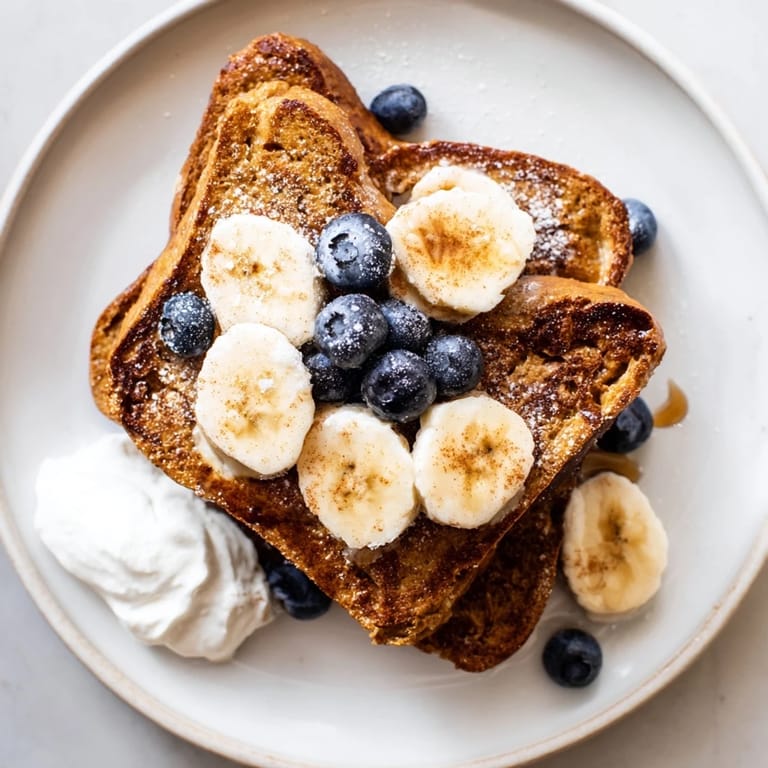
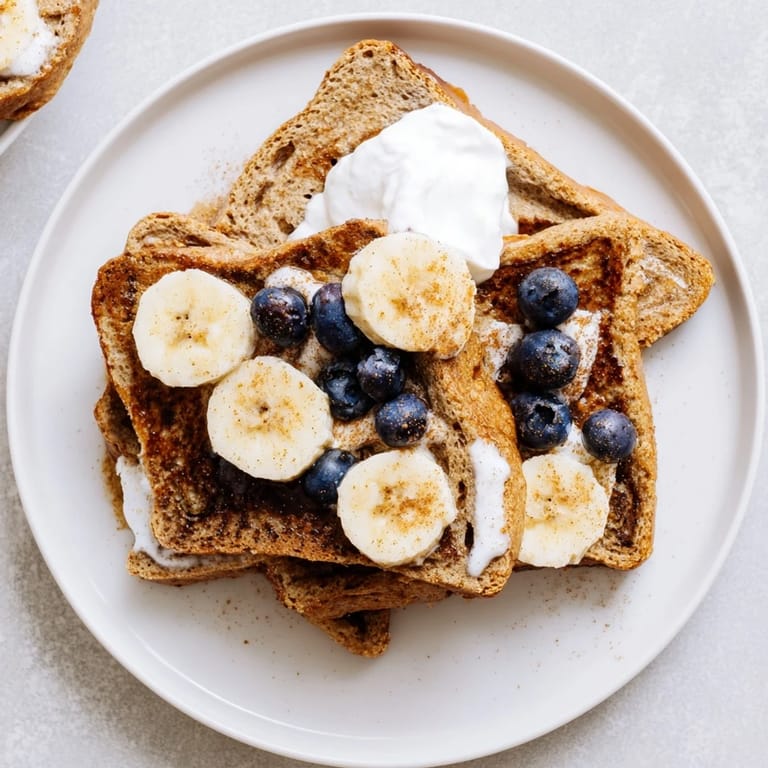
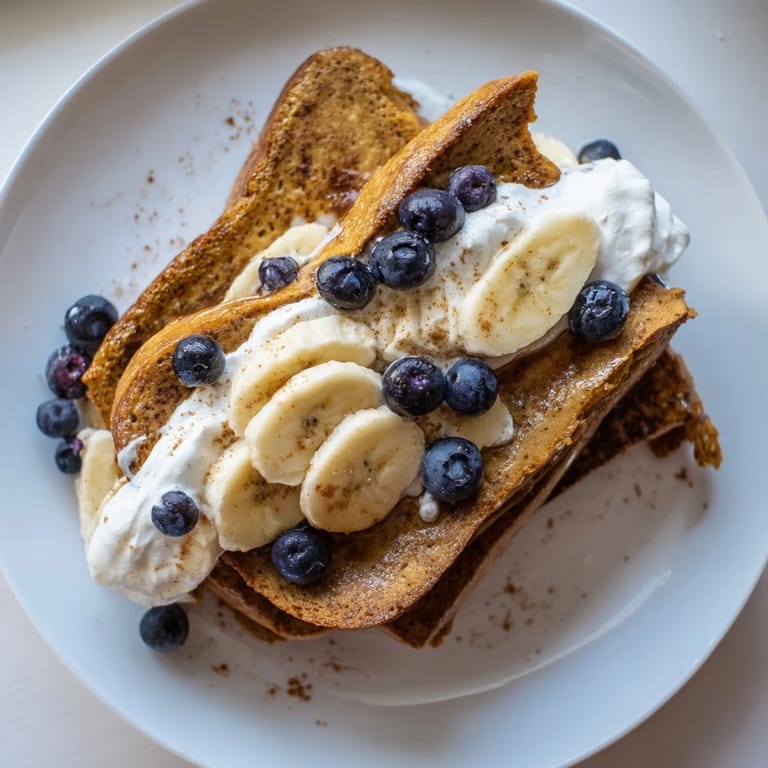
- Slide finished slices onto a plate and keep them in a warm oven if you're cooking in batches. Top with berries, bananas, yogurt, or an extra drizzle of syrup while they're still warm.
 Save
Save The real victory came when my partner, who usually skips breakfast, ate two slices without being asked and asked what made this different. I realized then that this recipe works because it doesn't feel like you're being good—it just tastes good and happens to fuel your entire morning.
The Protein Powder Secret
Not all protein powders behave the same in batter. Vanilla ones add sweetness and work beautifully here, but unflavored powders give you more flexibility if you want to swap cinnamon for cocoa powder or add almond extract instead. I learned this the hard way by buying a birthday cake flavored powder that nobody wanted to eat at 7 a.m. Stick with vanilla or unflavored, and you'll never regret it.
Temperature and Timing Matter
Medium heat feels slow, but it's the only way to get a golden outside while keeping the center custardy instead of cooked through. If your skillet is too hot, the bread browns before the inside sets, and you end up with a crispy shell and raw custard. Medium heat also gives the protein powder time to cook fully without any chalky taste lingering in the back of your mouth.
Make It Your Own
This recipe is a framework, not a prison. I've made it with chocolate protein powder and cocoa, with almond butter swirled into the batter, even with pumpkin puree in fall. The core ratio of eggs, yogurt, and milk stays the same, so your experiments usually land well.
- For extra richness, use brioche bread and add an extra egg yolk to the mixture.
- If you're dairy-free, swap Greek yogurt for silken tofu and use almond milk—the texture stays custardy and creamy.
- Cook the whole batch and refrigerate leftovers for up to three days; reheat gently in a 300°F oven so they stay tender.
 Save
Save This is the kind of recipe that becomes part of your rotation without you planning it. Make it once and you'll find yourself reaching for it on mornings when you need something that feels both indulgent and honest.
Common recipe questions
- → What type of bread works best?
Whole grain or brioche bread, preferably slightly stale, absorbs the custard well and provides a tender yet sturdy texture once cooked.
- → Can I use dairy-free milk alternatives?
Yes, unsweetened almond milk or other plant-based milks work well and maintain the creamy consistency of the mixture.
- → How does protein powder affect the texture?
Protein powder enriches the custard, adding a subtle density without overpowering flavors when combined with yogurt and eggs.
- → What cooking fat is recommended?
Unsalted butter or coconut oil helps achieve a golden crust while complementing the dish's rich taste.
- → Are there suggestions for toppings?
Fresh berries, sliced bananas, extra Greek yogurt, or maple syrup add bursts of flavor and balance the richness.