 Save
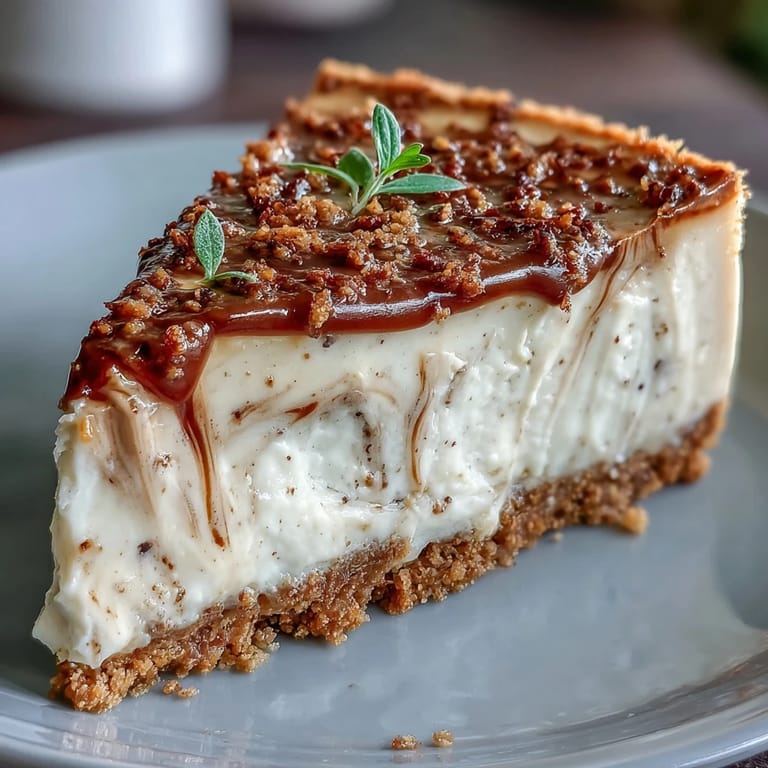
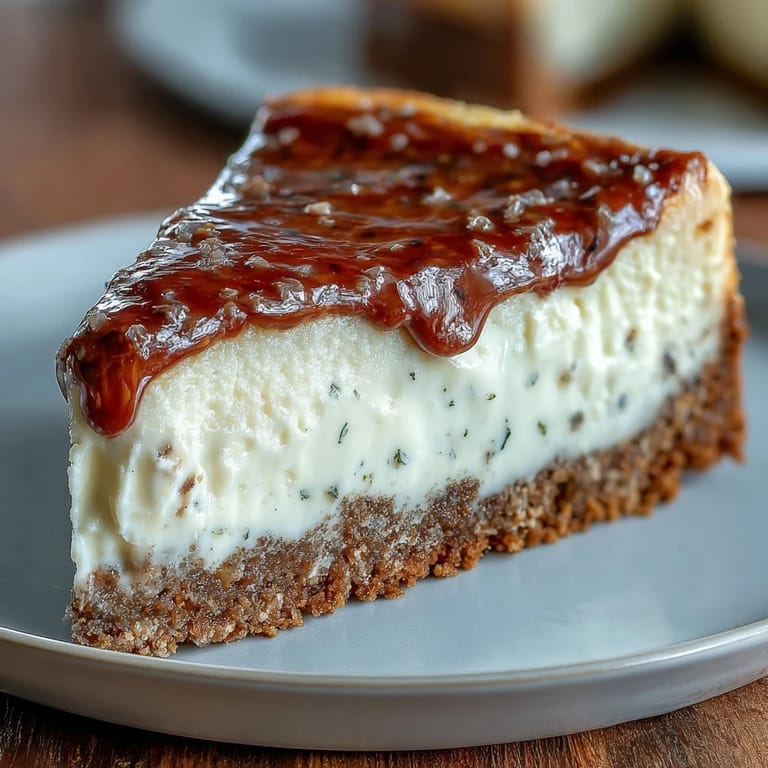
Save My kitchen smelled like a Japanese tea house the afternoon I first attempted hojicha cheesecake, steam rising from a small saucepan while cream infused with roasted tea leaves. I'd been handed a bag of hojicha by a friend who kept insisting it was nothing like green tea, that it had this warm, almost nutty depth that would transform something as indulgent as cheesecake. Skeptical but curious, I set about building layers of flavor, starting with that buttery graham cracker foundation, and by the time the swirled creation emerged from the oven with its golden edges and marble pattern, I understood exactly what she meant.
I made this for a small dinner party last autumn, and watching my neighbor take that first bite was worth every minute of prep work; she closed her eyes and said it tasted like fall even though hojicha isn't seasonal at all, which somehow proved the point better than anything else could have. The conversation shifted from polite small talk to everyone asking for the recipe, and I realized I'd created something that felt both refined and comforting in a way that made people actually pause mid-meal.
Ingredients
- Graham cracker crumbs (200 g): The foundation deserves quality here; finely ground crackers create a cohesive crust that doesn't crumble when you slice through the finished cheesecake.
- Unsalted butter, melted (90 g): This binds everything together, so don't skip the melting step or you'll end up with a sandy, crumbly texture.
- Granulated sugar for crust (2 tbsp): Just enough sweetness to complement the filling without competing with the hojicha flavor.
- Salt (pinch): A tiny amount awakens the buttery notes in the crust.
- Hojicha loose leaf tea or tea bags (2 tbsp): The heart of this recipe; loose leaf delivers more flavor complexity than bags, but either works if that's what you have on hand.
- Heavy cream (120 ml): Becomes the vehicle for extracting hojicha's essence and adds richness to the swirl.
- Cream cheese, softened (450 g): Room temperature cream cheese is non-negotiable; cold cream cheese creates lumps and ruins the silky texture you're after.
- Granulated sugar for filling (150 g): Sweetens the filling to balance hojicha's earthiness.
- Large eggs (2): Structure and stability; don't overbeat once you add them or the filling becomes too airy and prone to cracking.
- Sour cream (120 ml): Adds subtle tang that prevents the cheesecake from tasting one-dimensional and heavy.
- Vanilla extract (1 tsp): A supporting player that brings out the best in both cream cheese and hojicha.
- All-purpose flour (1 tbsp): Stabilizes the filling and reduces the chance of surface cracks.
Tired of Takeout? 🥡
Get 10 meals you can make faster than delivery arrives. Seriously.
One email. No spam. Unsubscribe anytime.
Instructions
- Set your oven and prepare the pan:
- Preheat to 160°C (325°F) and line your springform pan bottom with parchment paper, which prevents the crust from sticking and makes removal effortless. A lower oven temperature is crucial here because cheesecake needs gentle, even heat to stay creamy rather than becoming dry and cracked.
- Build the crust:
- Combine graham cracker crumbs, melted butter, sugar, and salt in a bowl, then press the mixture firmly and evenly into the pan bottom using the bottom of a measuring cup or your fingers. Bake for 10 minutes until lightly toasted, then set aside to cool completely before adding the filling.
- Infuse the hojicha cream:
- Heat heavy cream in a small saucepan until wisps of steam rise from the surface, then add hojicha tea and cover immediately so nothing escapes. Let it steep for 10 minutes while the kitchen fills with that toasted, almost caramel-like aroma, then strain through a fine mesh and let it cool to room temperature—this step cannot be rushed.
- Mix the filling base:
- Beat softened cream cheese in a large bowl until completely smooth and there are no lumps, which takes about 2 minutes of steady mixing. Add sugar and blend until combined, then introduce eggs one at a time, beating briefly after each addition to incorporate without overdoing it.
- Finish and fold:
- Stir in sour cream, vanilla, and flour just until everything comes together with no streaks of flour visible. The batter should be smooth and pourable but not whipped or overly thick.
- Create the swirl:
- Pour the plain cheesecake batter over the cooled crust, then dollop the hojicha-cream mixture across the top in spoonfuls. Use a skewer or thin knife to gently drag through the batter in curved motions, creating a marble effect without overworking it.
- Bake with patience:
- Place the springform pan on a baking tray and bake for 40 to 45 minutes until the edges are set and opaque but the center still wobbles slightly when you gently shake the pan. The center will continue to cook as it cools, and this residual cooking is what keeps the cheesecake creamy.
- Cool gradually in the oven:
- Turn off the heat, crack the oven door open about 2 inches, and let the cheesecake sit for 1 hour as the temperature drops slowly. This gradual cooling prevents the sudden temperature shock that causes cracks to form.
- Chill overnight:
- Remove the cheesecake from the oven, let it reach room temperature on the counter, then refrigerate for at least 5 hours but ideally overnight before serving. This resting period allows the flavors to deepen and the texture to become perfectly set.
 Save
Save There's something magical about bringing a homemade hojicha cheesecake to a gathering and watching people taste something they've never experienced before, that moment when familiar dessert comfort meets unfamiliar tea flavor and they realize those worlds belong together. It became my signature dish after that first attempt, the one people ask me to make again and again, and I stopped thinking of it as ambitious or risky.
Why Hojicha Changes Everything
Hojicha is roasted green tea, which means it has already been processed differently, losing the grassy, vegetal notes and gaining warmth, depth, and a subtle sweetness that feels almost caramel-like in the background. When you steep it into cream, it doesn't shout; it whispers, adding a sophisticated earthiness that prevents cheesecake from ever feeling one-dimensional or cloying. The roasting process also mellows hojicha's caffeine content significantly, so you can serve this dessert after dinner without anyone staring at the ceiling at midnight.
The Marble Swirl Technique
That visual pattern of hojicha swirled through pale cheesecake batter isn't just decoration; it signals to people that this is something special and thoughtfully made, even if the technique itself takes maybe two minutes of work. I learned by overdoing it at first, dragging my skewer through the batter so aggressively that I turned it into a muddy brown soup instead of distinct layers, so now I remind myself that less is more with swirling. Three or four gentle curves through the batter creates an elegant, intentional look that actually tastes better too because the flavors remain somewhat distinct instead of completely blended.
Serving and Storage Wisdom
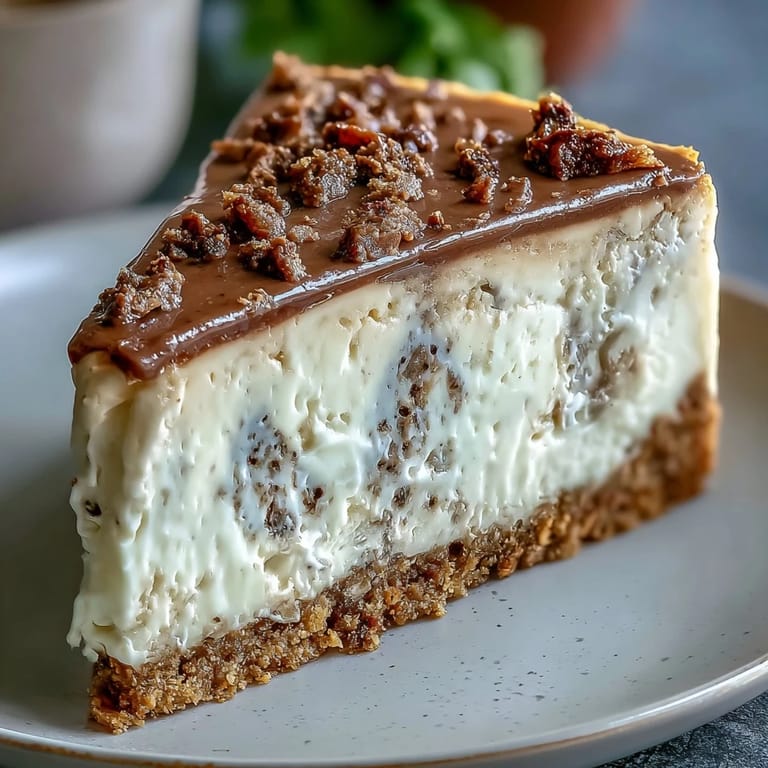
This cheesecake is at its best served cold directly from the refrigerator, sliced with a hot, dry knife that you wipe clean between cuts so each slice looks pristine. It keeps well in the fridge for up to four days, and because of its density and the eggs involved, it actually freezes beautifully for up to a month if you wrap it carefully in plastic wrap and aluminum foil. I've found that unfrozen slices taste richer and more developed in flavor than the day it was made, so patience really does pay off here.
- Dust the top with hojicha powder or a drizzle of condensed milk before serving for extra visual appeal.
- Pair slices with strong black tea, coffee, or even a small glass of sake to complement the roasted tea notes.
- If cracks appear during baking, don't panic; a hojicha powder dusting or whipped cream topping covers them completely.
 Save
Save This cheesecake has become my answer to the question of what to bring when I want to impress people but don't want to spend the entire day in the kitchen. It's sophisticated enough for any occasion but forgiving enough that even if something goes slightly wrong, it still turns out delicious.
Common recipe questions
- → What gives the dessert its roasted flavor?
The distinctive roasted aroma comes from hojicha, a Japanese roasted green tea steeped in warmed cream before being incorporated.
- → Can the crust be substituted?
Yes, digestive biscuits can replace graham crackers for a similar buttery base with a slightly different texture.
- → How is the marbled swirl effect achieved?
A portion of the batter is mixed with hojicha cream, then gently swirled into the plain batter in the pan before baking.
- → What is the best baking temperature and time?
Bake at 160°C (325°F) for 40–45 minutes until edges are set but the center remains slightly jiggly.
- → How should the dessert be cooled for best results?
Allow it to cool inside the oven with the door cracked open for one hour, then refrigerate for at least 5 hours or overnight.