 Save
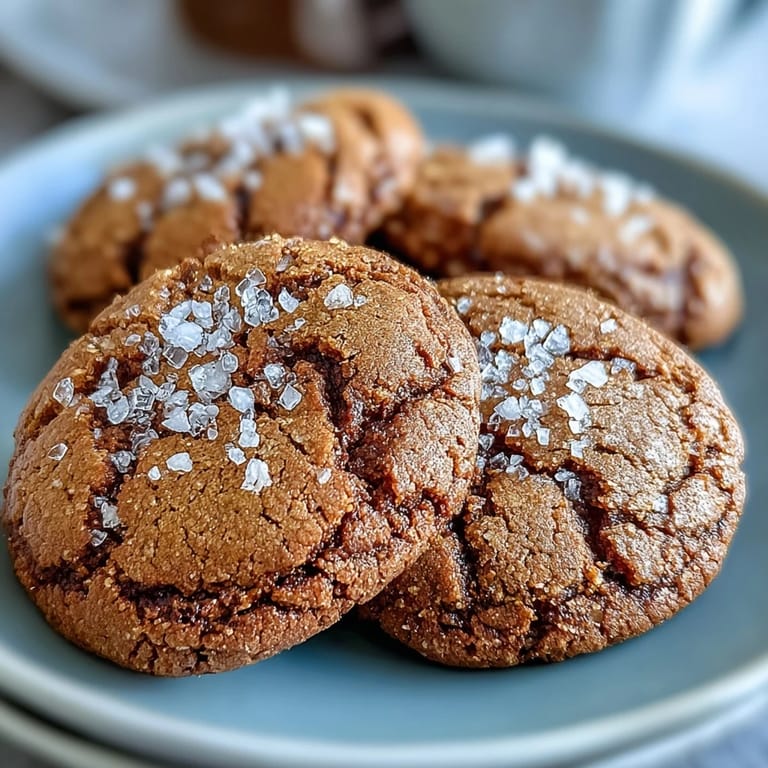
Save I discovered hojicha powder buried in the back of a Japanese grocery store while hunting for something entirely different, and the clerk's eyes lit up when I mentioned cookies. She described her grandmother's kitchen in Kyoto, where the smell of roasted tea leaves mingled with melting butter, and something about that combination stuck with me. These cookies landed on my counter months later as an experiment, but they became instant ritual—the kind you make when you want your kitchen to smell like autumn and taste like pure comfort.
My roommate wandered into the kitchen halfway through baking and froze at the doorway, inhaling deeply before asking if I was making something with caramel. When the first batch came out and cooled, she grabbed one without asking and went completely quiet—that kind of quiet that means something unexpected just happened on her tongue. She's requested them every few weeks since, always phrased as a casual question but with hopeful eyes.
Ingredients
- All-purpose flour: The foundation here, but don't sift it obsessively—a gentle stir in the bag and a scoop does the job without overdeveloping gluten that would make these tough instead of tender.
- Hojicha powder: This roasted green tea is the soul of the recipe, bringing toasted, slightly earthy notes that don't shout but whisper underneath everything else. Find it in Japanese markets or online; matcha won't give you the same caramel-like depth.
- Baking soda: Just enough to help the cookies spread slightly and crisp at the edges while staying soft in the center.
- Fine sea salt: A quiet anchor that makes the brown butter and hojicha flavors bloom instead of fading.
- Unsalted butter: This is where patience matters—you're cooking this until it's golden and nutty, and rushing it or leaving it too long changes everything.
- Brown sugar and granulated sugar: The combination gives you moisture from the molasses in brown sugar plus the structure from the white sugar, creating that perfect chewy-crispy balance.
- Egg and egg yolk: Room temperature means they incorporate smoothly without breaking the emulsion; cold eggs will fight you and make the dough greasy.
- Vanilla extract: Use real vanilla if you can—it adds a subtle floral note that synthetic versions don't quite reach.
Tired of Takeout? 🥡
Get 10 meals you can make faster than delivery arrives. Seriously.
One email. No spam. Unsubscribe anytime.
Instructions
- Brown your butter like you mean it:
- Melt the butter over medium heat and stay close—you're listening for the sizzle to calm down and watching for that moment when the foam turns golden and the kitchen smells like toasted hazelnuts. This takes about 4-5 minutes, but the exact time depends on your stove, so trust your senses.
- Let it cool to room temperature:
- This 10-minute pause is essential; warm browned butter will cook the egg you're about to add, creating a grainy dough instead of a smooth one.
- Combine your dry ingredients separately:
- Whisk the flour, hojicha powder, baking soda, and salt together so the tea powder doesn't clump when it meets the wet ingredients.
- Mix your wet base until it's smooth:
- Whisk the cooled browned butter with both sugars until the mixture looks like wet sand, then add the egg, yolk, and vanilla and beat just until everything is incorporated and shiny.
- Fold in the dry ingredients gently:
- Overmixing develops gluten and makes tough cookies, so stir just until you don't see any streaks of flour anymore, then stop.
- Portion your dough with intention:
- Tablespoon-sized mounds spaced two inches apart on parchment paper prevent them from merging into one another in the oven.
- Bake until the edges turn golden:
- The centers will still look soft—almost underbaked—when you pull them out at 10-12 minutes, and that's exactly right because they continue cooking from residual heat.
- Rest them briefly before moving:
- Five minutes on the baking sheet lets them set just enough to transfer without falling apart, but moving them too soon risks breaking warm edges.
 Save
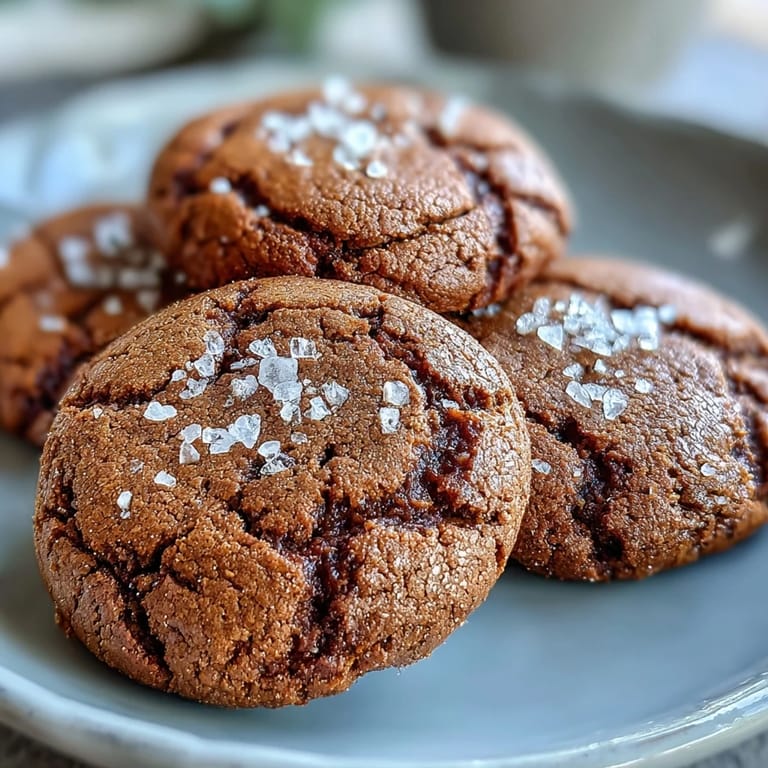
Save There's a moment, usually around day two when these cookies are just stale enough to have become crispy rather than chewy, when my partner dunks one in his coffee and closes his eyes. He's not the type to wax poetic about food, so those quiet moments hit differently—they're what makes standing in the kitchen worth it.
The Magic of Brown Butter
Brown butter feels like a small alchemy, turning something you use every day into something that tastes completely different. The water in the butter evaporates, the milk solids sink and turn golden, and suddenly you've got this nutty, almost toasty flavor that no amount of regular melted butter can replicate. Once you start using it in cookies, you'll find yourself browning butter for everything, chasing that caramel-without-caramel taste that makes people pause mid-bite.
Why Hojicha, Not Matcha
Matcha is louder—grassy and bright and unapologetic. Hojicha is the quieter sibling, roasted until it becomes something subtler, almost whiskey-like in its complexity. In these cookies, hojicha doesn't announce itself; it works alongside the brown butter to create this layered, sophisticated flavor that tastes vaguely familiar but impossible to pin down. You end up eating one more than you planned just trying to figure out what you're tasting.
Variations and Moment of Comfort
These cookies are forgiving enough to adapt without losing their soul. Sprinkle flaky sea salt on them right out of the oven if you want to lean into that savory-sweet thing, or try matcha powder if you prefer brightness over depth. Pair them with hot hojicha tea on a quiet morning, or pack them for someone who needs a small reminder that you're thinking of them.
- A pinch of flaky sea salt on warm cookies tilts them toward sophisticated rather than just sweet.
- Matcha powder swaps one-to-one with hojicha if you want green tea's brighter, more vegetal personality instead.
- These keep for about four days in an airtight container, though they rarely make it that far.
 Save
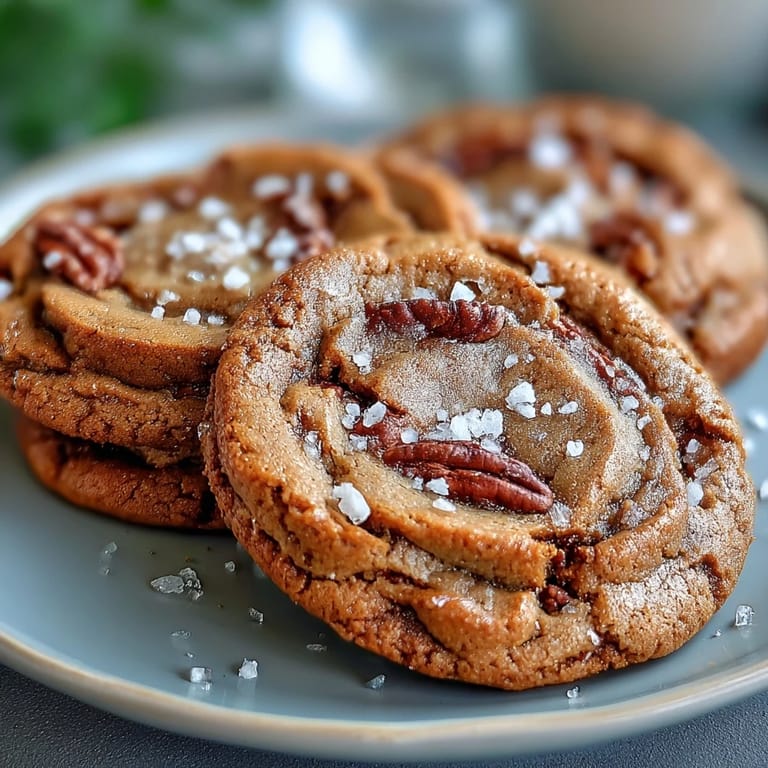
Save There's something about making cookies that taste sophisticated but require such simple ingredients—it feels like you've learned a small secret about how to make the everyday taste extraordinary. Bake these when you want your kitchen to smell like comfort, or when you want to give someone something that says you bothered.
Common recipe questions
- → What is hojicha and how does it affect flavor?
Hojicha is a roasted green tea powder that adds warm, caramelized, and slightly smoky notes to the dough, enhancing overall depth.
- → Why brown the butter before mixing?
Brown butter develops a nutty aroma and rich flavor, which deepens the taste and complexity of the treats.
- → How do I achieve a chewy center with crisp edges?
Baking at 350°F (175°C) for 10-12 minutes allows the edges to crisp while keeping the center soft and tender.
- → Can hojicha powder be substituted?
Yes, matcha powder can be used as a greener, more vegetal alternative, changing the flavor profile significantly.
- → What is the best way to store these treats?
Store in an airtight container at room temperature to preserve crispness and freshness for several days.