 Save
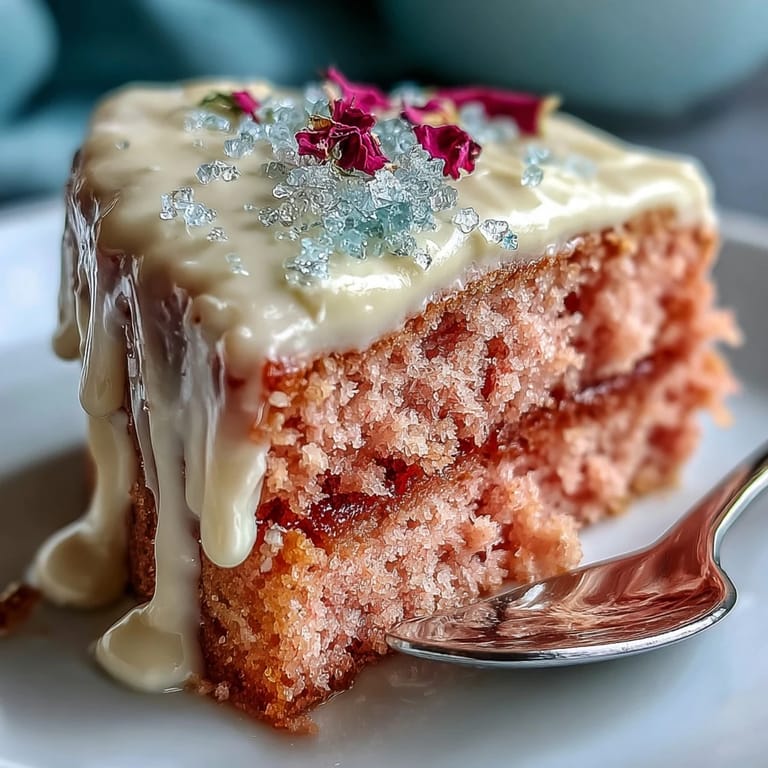
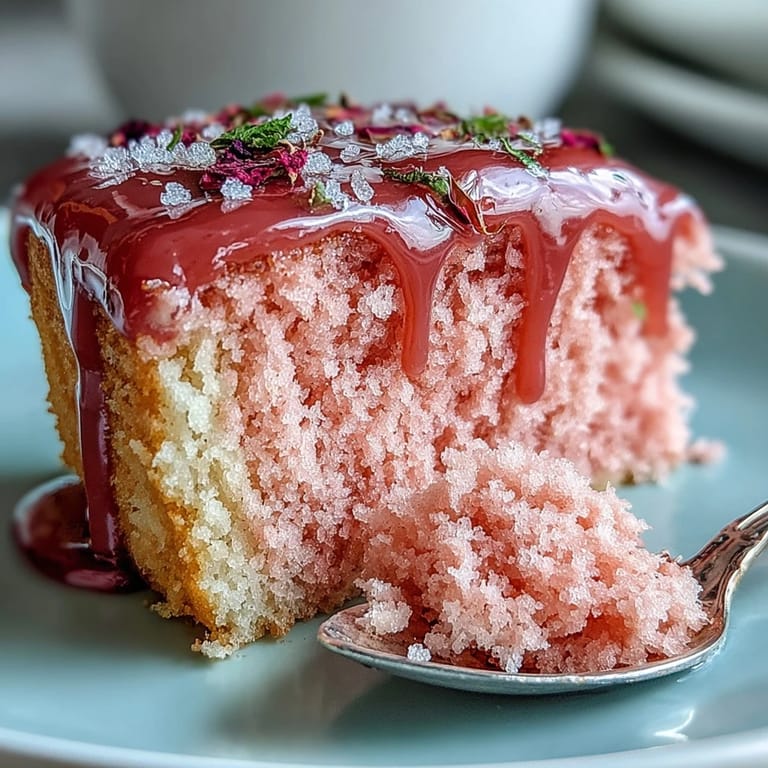
Save When I first made this Rosé Velvet Cake, the kitchen was filled with a lively fizz and the faint, distinctive fruitiness of rosé meeting vanilla. The batter left soft pink streaks on my spatula, and for a moment I hesitated, wondering if the color would be bold enough for an occasion. Mixing in the gold luster dust later, I couldn’t help but smile—it transformed an ordinary afternoon into something unexpectedly magical. There’s an alchemy in pairing a crowd-pleasing velvet crumb with bubbling wine and edible gold. It’s the kind of cake that doesn’t just sit on a table; it practically steals the show before the first slice is served.
I once brought this cake to a backyard bridal shower in early spring, the kind where laughter travels on a chilly breeze and decks are strung with twinkling lights. As I finished painting the gold drips, someone mischievously tried to guess if I’d hidden champagne inside, and soon everyone was gathered around, phones out and forks ready. Watching faces light up with the first bite—especially the bride’s sister, who isn’t usually a dessert fan—made all the hours of careful layering and decorating worth it. It’s funny how a touch of gold can turn a simple cake moment into a memory that lingers. More than one guest asked for the recipe on the spot.
Ingredients
- All-purpose flour: Gives the cake structure, but sift it with cornstarch for that melt-in-your-mouth crumb I love.
- Cornstarch: Makes the crumb extra soft—think bakery-style slices, not dense wedges.
- Unsweetened cocoa powder: Use a natural-not Dutch-process cocoa for just the right hint of cocoa without overpowering the pink hue.
- Baking soda: Reacts with the buttermilk and wine for a tender rise—double-check its freshness so your cake lifts perfectly.
- Salt: A tiny bit brings out the other flavors and keeps it from cloying.
- Unsalted butter: Creamy and lovely, it should be at true room temperature so the batter turns fluffy and not greasy.
- Granulated sugar: Provides sweetness and structure—beat it thoroughly into the butter for more lift.
- Light brown sugar: Adds just enough moisture and a subtle caramel note, which pairs surprisingly well with rosé.
- Eggs: Must be at room temp so they blend in without curdling the batter; trust me, cold eggs make for lumpy cake.
- Rosé wine: Choose a crisp, fruity bottle you’d drink on its own—the better the rosé, the more fragrant your cake.
- Buttermilk: The secret to tenderness and tang, and don’t use regular milk here; it’s worth grabbing buttermilk for this step.
- Vanilla extract: Use pure vanilla, not imitation, for a fuller aroma that balances the cocoa and wine.
- Pink gel food coloring (optional): For that dramatic, vivid color—go easy, a drop or two transformed mine from blush to stunning.
- Cream cheese: When properly softened, it whips up impossibly smooth and never gritty.
- Confectioners’ sugar: Always sift before adding to the frosting—lumpy icing is a rookie mistake (I learned the hard way).
- White chocolate chips: For the gold drip base—they melt best over a double boiler, not the microwave.
- Heavy cream: Helps create a drip that’s fluid but sets up firm—add slowly while melting, it thickens fast.
- Edible gold luster dust: The finishing touch; a little mixed with alcohol goes a long way and turns ordinary into extraordinary.
- Clear vodka or lemon extract: For dissolving the gold dust—vodka evaporates easily and leaves no flavor, but lemon works too if you love a little citrus aroma.
Tired of Takeout? 🥡
Get 10 meals you can make faster than delivery arrives. Seriously.
One email. No spam. Unsubscribe anytime.
Instructions
- Get your pans ready:
- Preheat the oven to 350°F (175°C), then grease and line three 8-inch round pans—I find a circle of parchment in the bottom ensures nothing sticks.
- Sift and whisk dry ingredients:
- Sift together flour, cornstarch, cocoa, baking soda, and salt in a medium bowl—the mix already smells like possibility.
- Cream butter and sugars:
- Beat the room-temp butter with both sugars until it’s pale and fluffy (about 3 minutes); don’t skimp here—the airiness makes all the difference.
- Add eggs and vanilla:
- One egg at a time goes in, mixing well after each, followed by a swirl of vanilla that perfumes the batter as you stir.
- Prepare rosé mixture:
- Stir the rosé and buttermilk together in a jug; it might look a bit odd but it brings a gentle tang to the cake.
- Mix it all together:
- With the mixer on low, alternate adding dry and wet ingredients, starting and ending with flour—I like to pause after the first streaks of pink, adjusting food coloring to get just the shade I want.
- Bake the layers:
- Pour the batter evenly into pans, smooth the tops, and bake 28–32 minutes until a toothpick comes out clean; the aroma is gently floral and cozy.
- Cool completely:
- Let cakes cool in their pans for 10 minutes before flipping onto a wire rack; I usually peek underneath to see that soft blush color.
- Make the frosting:
- Beat softened cream cheese and butter until velvety, then add sifted confectioners sugar, vanilla, and a pinch of salt in stages until fluffy.
- Frost the cake:
- Layer and frost with the cream cheese mixture—it’s smooth and forgiving, so take your time smoothing the edges and top. Chill assembled cake for 30 minutes before decorating.
- Gold drip ganache:
- Melt white chocolate chips and cream over a double boiler until silky, then cool until slightly thickened; gently spoon around the chilled cake’s top edge and watch as golden drips cascade down.
- Paint the gold:
- Once the drip is set, mix gold luster dust with a splash of vodka or lemon extract, then paint carefully over drips using a clean brush—it’s like edible jewelry for your cake.
- Final flourish:
- Finish with edible flowers, berries, or a touch of gold leaf if you like, and step back to admire your showstopper.
 Save
Save 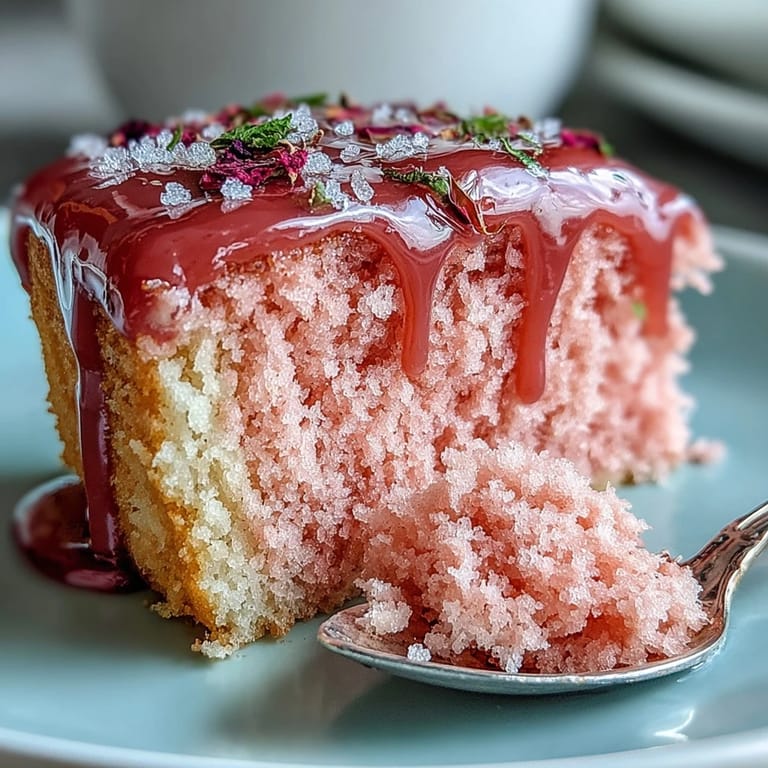 Save
Save When my best friend’s little cousin nearly mistook her piece for one of the centerpiece decorations, I realized just how magical this cake looks when finished. Sharing a slice and seeing straight-faced surprise at the rosé flavor underneath all that gold was the sweetest reminder that food like this means more than just dessert—it becomes the day’s story.
Making This Cake Work In Real Life
The first time I tried pouring the white chocolate drip on a still-warm cake, it slid right off—so now I always let the layers chill thoroughly before starting. Sometimes I pipe a border of frosting to help catch the ganache, which makes the decoration process much less stressful. Painting on the gold is my favorite part, but do it in natural light or you might miss a spot (ask me how I know). You don’t have to be a professional to get drips that look amazing—imperfection is charming here. And if you forget to buy edible flowers, fresh berries or even pretty mint leaves look gorgeous too.
How To Pick The Right Rosé
I’ve tried both dry and sweet rosé wines in this cake, and I always reach for a young, vibrant bottle with lots of berry notes; the flavor comes through with a subtle, almost floral sweetness. Sparkling rosé makes for a super airy cake, if you’re feeling adventurous. Don’t worry—the alcohol bakes off, leaving only a whiff of orchard fruit behind. If you’d prefer not to use wine at all, sparkling pink grape juice or cider makes a lovely swap. Just avoid anything too tart or too sweet, or it can throw the flavor balance off.
Decorating Tips And Shortcuts
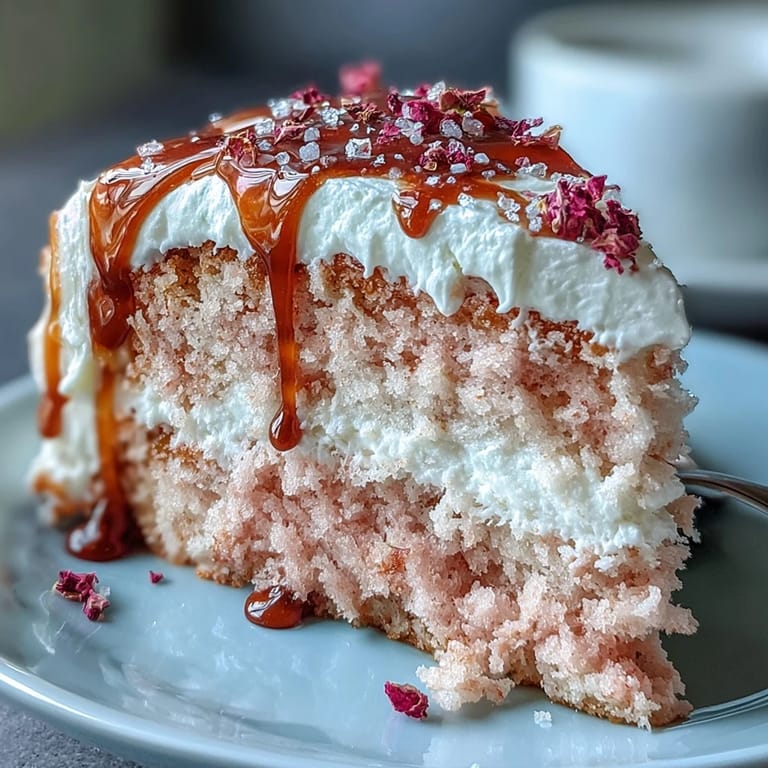
Not every cake needs a ruler-straight edge—the joy here is the gold drip and a lush, fluffy frosting that hides any wonkiness. If time is short, freeze your cake layers for faster assembly—they firm up quickly and make stacking a breeze. You can practice the gold drip on the side of a bowl before attempting it on your masterpiece.
- A little edible gold goes a very long way—don’t overdo it.
- A warm spatula helps the frosting smooth out elegantly.
- Don’t forget to photograph the cake before everyone digs in!
 Save
Save 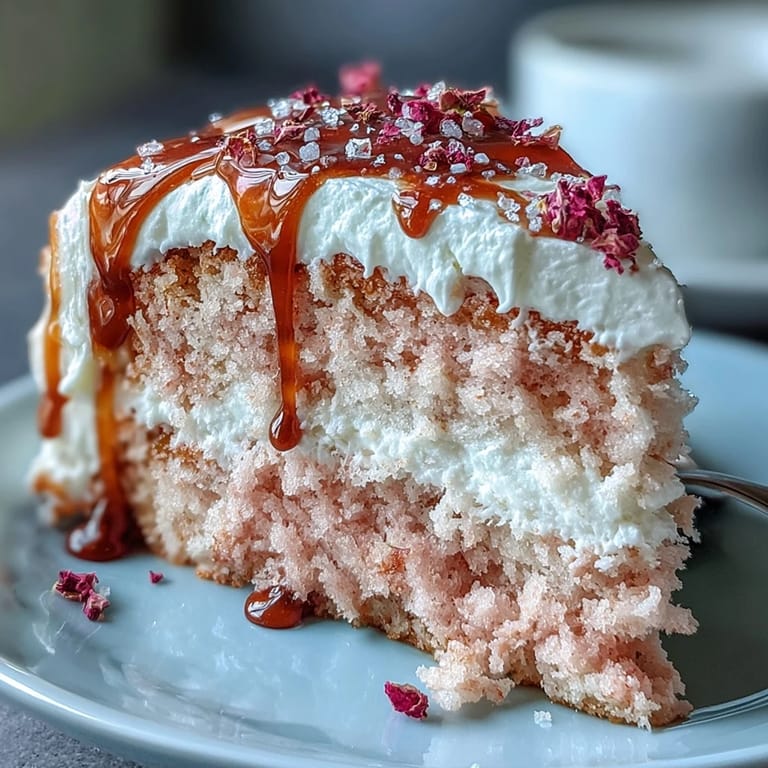 Save
Save Serving this Rosé Velvet Cake always makes the celebration feel that much more special. Here’s to making memories—and to cake that brings a little sparkle to the table.
Common recipe questions
- → Can I skip the rosé and keep flavor?
Yes. Substitute with pink grape juice or sparkling cider for bright fruit notes. If using juice, consider adding 1–2 teaspoons lemon juice to maintain acidity and tender crumb.
- → How do I get a stable cream cheese frosting?
Beat room-temperature cream cheese and butter until smooth, then add sifted confectioners’ sugar gradually. Chill the frosting slightly before spreading to help it hold shape during assembly and decorating.
- → What temperature should the ganache be for the drip?
Allow white-chocolate ganache to cool until slightly warm but still pourable (around 90–100°F/32–38°C). Too hot and it will run off; too cool and it won't create smooth drips.
- → How can I achieve an even pink hue without over-coloring?
Use a concentrated gel color, adding a small amount at a time until you reach the desired blush. For a subtler tone, omit or use just a few drops and rely on the rosé's natural tint.
- → Can I make layers in advance and freeze them?
Yes. Wrap cooled, unfrosted layers tightly in plastic wrap and freeze up to one month. Thaw in the refrigerator overnight before leveling, filling, and frosting.
- → Any tips for painting the gold on the drip?
Mix edible gold luster dust with a few drops of clear vodka or lemon extract to form a paint. Brush onto set white-chocolate drips in thin layers, letting each layer dry briefly to build a smooth metallic finish.