 Save
Save The first time I experimented with lavender in my kitchen, it was purely out of curiosity—there was a small jar tucked away behind the teas, and its aroma beckoned like spring in bloom. Honey and cream already felt like old friends, so blending them with floral notes was a little adventure. I remember pausing to inhale that fragrant steam rising from the saucepan, wondering if the flavor would live up to its scent. A few mishaps with over-steeping aside, this panna cotta became a gentle ritual for sunny afternoons. It’s now the dessert that quietly surprises guests at spring gatherings.
The most memorable batch I made was for a friend’s birthday picnic in April—panna cotta balanced on plates beside wildflowers, honey drizzled at the last moment, everyone leaning in to admire their serving before the first bite. Someone spilled a bit of cream on the grass, and we all laughed, distracted by the honey scent that lingered with conversation. That day, the dessert was as much about lingering in sunshine as savoring flavors. I always think of that spring picnic when softening gelatin over water—it brings back the sound of happy chatter and the slow, quiet rhythm of outdoor meals. Moments like these turn recipes into small celebrations.
Ingredients
- Heavy cream: Choose high-quality cream—it’s the base for silky texture, and fresher cream makes a noticeable difference.
- Whole milk: Balances richness and lightness; don’t sub with skim or it’ll lose some magic.
- Honey: Local, floral honey enhances sweetness and dovetails beautifully with lavender, making every bite nuanced.
- Dried culinary lavender buds: Use only culinary lavender; regular garden lavender can be too strong or bitter.
- Pure vanilla extract: Rounds out the floral flavors, making everything taste just a touch more complete.
- Unflavored powdered gelatin: Properly blooming is key; if it clumps, the panna cotta won’t set smoothly.
- Cold water: Essential for blooming gelatin—don’t use warm water, or you’ll lose that gentle thickening.
- Fresh berries: Adds color and a tangy freshness atop the creamy dessert.
- Edible flowers or extra lavender: For visual flourish and an extra whisper of floral on the plate.
Tired of Takeout? 🥡
Get 10 meals you can make faster than delivery arrives. Seriously.
One email. No spam. Unsubscribe anytime.
Instructions
- Infuse the cream:
- Stir heavy cream, milk, and lavender buds together in a small saucepan; heat slowly until just steaming, then pause to let the bouquet fill the kitchen as it steeps covered for 10 minutes.
- Bloom the gelatin:
- Sprinkle gelatin over cold water in a bowl, watching it puff up, then leave it to soak until fully bloomed—about 5 minutes.
- Strain and sweeten:
- Strain the steeped liquid to remove lavender, return it to the pan, and gently stir in honey and vanilla, heating only enough to dissolve the honey without boiling.
- Combine and dissolve:
- Take the pan off the heat, add the bloomed gelatin, and whisk thoroughly—make sure it disappears entirely for a smooth panna cotta.
- Pour and chill:
- Divide the mixture between six ramekins or glasses, let them cool to room temp, then cover and refrigerate for four hours or until set.
- Garnish and serve:
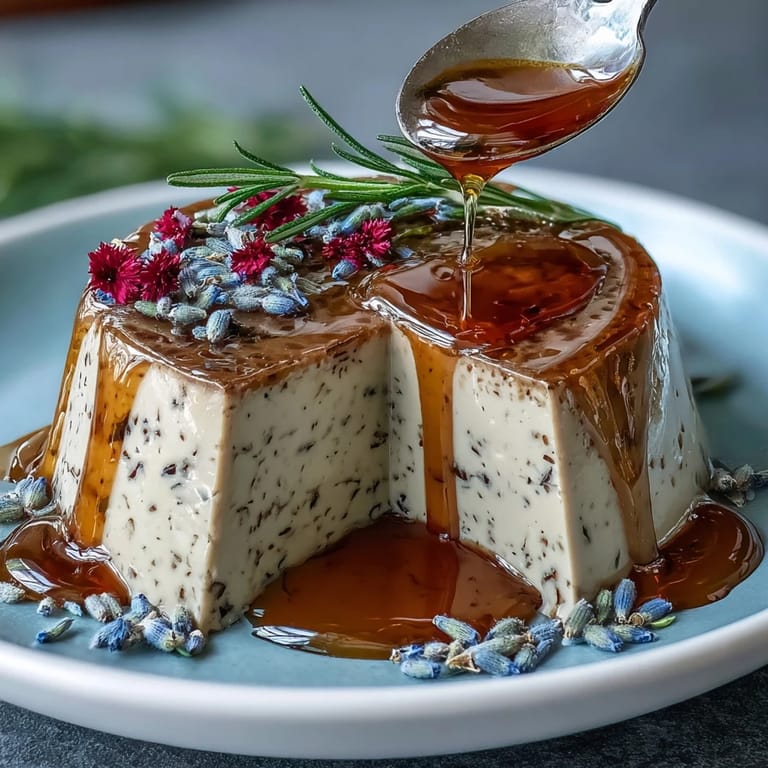
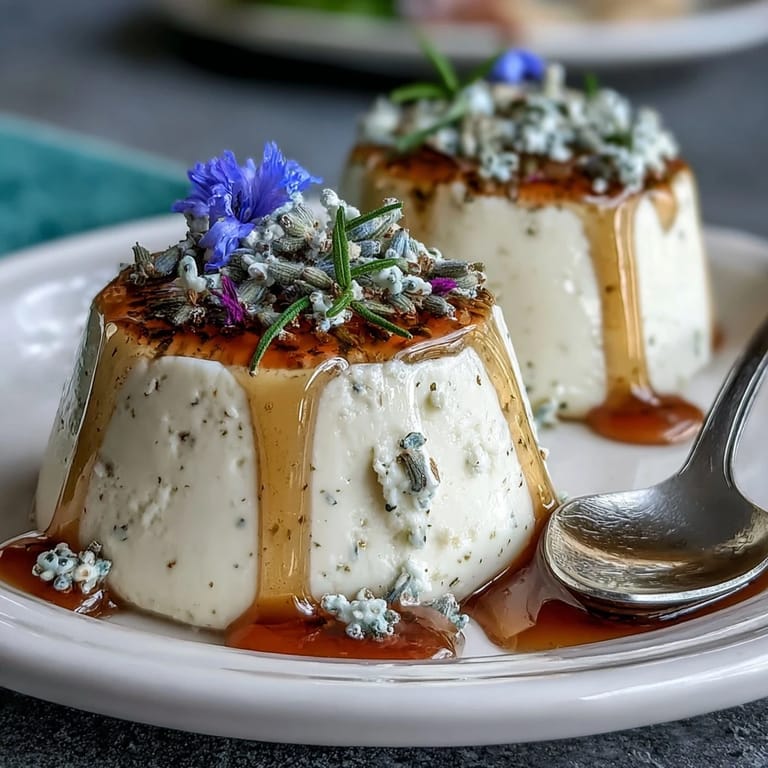
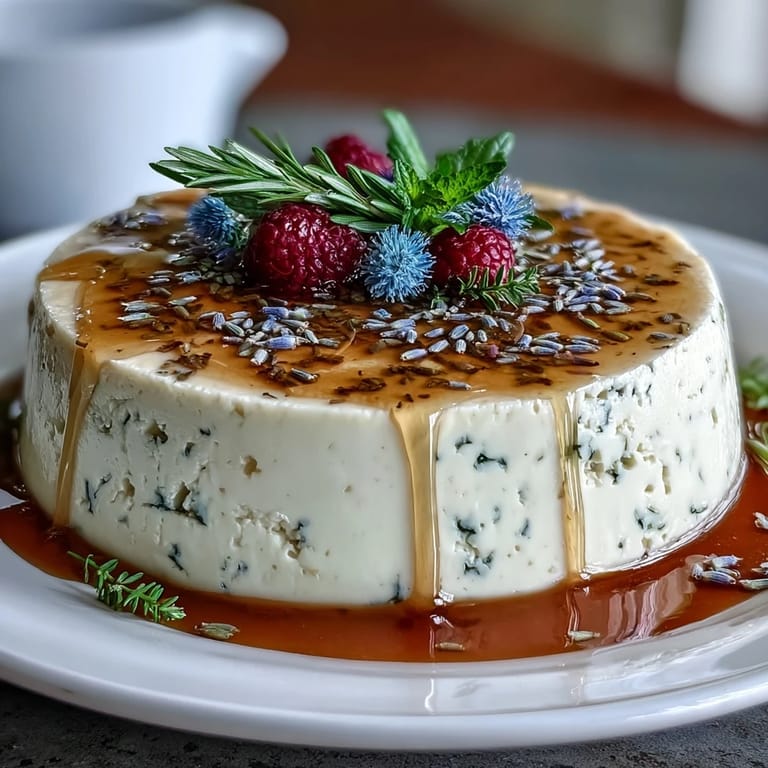
- Either unmold onto plates or serve in glass, then drizzle more honey on top and finish with berries or edible flowers for a beautiful touch.
 Save
Save This dessert became more than just food for me when I saw a guest quietly close her eyes after her first spoonful, smiling as if she’d been transported to a garden. It was that genuine moment—no words needed—that made me realize how powerful flavor can be. Sharing this panna cotta feels like offering a small escape.
Making the Texture Extra Silky
Warming the cream just right and whisking in the gelatin without rushing are key steps that transform the panna cotta from good to unforgettable. If the mixture sets too quickly, it can turn rubbery, so patience is your best friend here. I always remind myself to let the cream cool a bit before adding gelatin, which eliminates any lumps. The payoff: silky spoonfuls every time. Texture is where the magic happens with this dessert.
Flavor Adjustments You Can Try
Sometimes I experiment with adding lemon zest or even a touch of rose water for extra floral complexity. Honey’s sweetness can be tweaked, and swapping in agave syrup makes it suitable for vegan guests (with vegan cream and gel setting agents). One evening, I drizzled the top with a dash of orange blossom honey and it was a crowd pleaser. Lavender pairs well with lots of garden flavors. Customizing for the mood—or the company—is part of the fun.
Serving and Garnish Inspiration
Serving in little glasses makes the panna cotta feel modern, while unmolding onto plates is more dramatic. Garnishing with edible flowers or fresh berries adds a pop of color and a perfumed note, enhancing the visual appeal. If you’re hosting, letting everyone choose their own toppings encourages playful curiosity.
- Keep extra honey nearby for last minute drizzling.
- Chilled serving dishes help maintain the perfect texture.
- Always taste your lavender before using—quality varies wildly.
 Save
Save Even simple, this panna cotta always inspires curiosity and compliments. Serve it with a glass of lightly sweet wine, and watch the flavors spark conversation as well as smiles.
Common recipe questions
- → How strong is the lavender flavor?
The flavor is gentle and floral; steep longer for a stronger essence, but avoid over-steeping to prevent bitterness.
- → Can gelatin be substituted for vegetarians?
Yes, use a vegetarian gelling agent with plant-based cream for a vegetarian-friendly version.
- → What sweeteners can be used besides honey?
Agave syrup is a good alternative and delivers subtle sweetness without changing the flavor profile much.
- → What is the best way to serve?
Unmold onto plates or serve in glasses. Top with honey, fresh berries, or edible flowers for an elegant finish.
- → What are key allergens to watch for?
Dairy and gelatin are main allergens; check labels for hidden sources in flavorings and garnishes.
- → What can I pair with this dessert?
It pairs well with lightly sweet sparkling wine or floral Moscato for a complementary flavor experience.