 Save
Save My neighbor's beekeeper friend dropped off a jar of dandelion honey last spring, the kind that tastes like summer arrived early. I'd never baked with anything quite so floral before, and honestly, I was nervous—would it be too much, too strange for a simple cake? That first attempt taught me that honey this good doesn't need to hide; it wants to shine, especially when paired with bright lemon. This cake became my answer to every "what should I bring?" question that season, and now it's the one people actually ask me to make.
I made this for a spring potluck where everyone brought the same tired lemon bars, and watching people's faces when they tasted something actually interesting was worth every minute of prep. One guest actually asked if it was from a bakery, which felt like the highest compliment a home baker could receive.
Ingredients
- All-purpose flour (2 cups): This is your structure—don't sift it unless your flour is clumpy, as over-working develops gluten and makes the cake tough instead of tender.
- Baking powder and baking soda (1 1/2 tsp and 1/2 tsp): They work together here; the baking soda reacts with the acidity in the lemon juice to give you extra lift and a subtle tang.
- Fine sea salt (1/2 tsp): This tiny amount makes the honey and lemon flavors pop without making anything taste salty—trust it.
- Unsalted butter (1/2 cup): Room temperature is non-negotiable; cold butter won't cream properly with the honey, and you'll miss that light, airy crumb.
- Dandelion honey (1/2 cup): If you can't find dandelion honey, regular clover honey works, but the character of the cake shifts slightly—dandelion has this grassy-sweet thing going on that regular honey doesn't quite capture.
- Granulated sugar (1/2 cup): This balances the honey's floral notes and helps the cake brown evenly; don't skip it thinking the honey will do all the sweetening work.
- Eggs (3 large): Room temperature eggs emulsify better with butter and honey, creating a smoother, more stable batter that bakes evenly.
- Vanilla extract (1 tsp): One teaspoon is enough; more than that drowns out the honey's delicate personality.
- Whole milk (1/2 cup): Room temperature milk prevents shocking the batter with cold liquid and helps it incorporate smoothly between flour additions.
- Lemon zest (2 tbsp): Zest it fresh right before mixing—the oils are most vibrant then, and pre-zested stuff loses its punch sitting in your pantry.
- Freshly squeezed lemon juice (2 tbsp): Bottled juice tastes flat and metallic in comparison; fresh lemon is the difference between a good cake and one that makes people pause mid-bite.
- Powdered sugar for glaze (1 cup): Sift it before mixing into the glaze so you don't end up with lumpy clumps that ruin the smooth drizzle.
- Dandelion honey for glaze (1 tbsp): This little bit keeps the glaze from tasting one-note lemon; it softens the brightness and reminds you why you started this whole thing.
Tired of Takeout? 🥡
Get 10 meals you can make faster than delivery arrives. Seriously.
One email. No spam. Unsubscribe anytime.
Instructions
- Get your oven ready and prepare your pan:
- Preheat to 350°F and grease your 9-inch round pan with butter or oil, then dust with flour (or line with parchment if you want zero stress about sticking). You want the pan ready before you start mixing so the batter doesn't sit around oxidizing.
- Combine your dry ingredients:
- Whisk together the flour, baking powder, baking soda, and salt in a medium bowl, and set it aside. This pre-mixing ensures the leavening agents distribute evenly instead of creating surprise pockets of bitterness from concentrated baking soda.
- Cream the butter, honey, and sugar:
- In a large bowl, beat the butter with the dandelion honey and granulated sugar for about 3 minutes until it's light, fluffy, and noticeably paler—this incorporates air that keeps the cake tender. You should see ribbons form when you lift the mixer; this is where the cake's structure begins.
- Add the eggs one at a time:
- Beat in each egg fully before adding the next, making sure everything stays emulsified and creamy. Add the vanilla, lemon zest, and lemon juice at the end of this stage, beating just until combined.
- Alternate flour and milk to build the batter:
- Add one-third of the flour mixture, then half the milk, then another third of flour, then the rest of the milk, and finally the last bit of flour—always starting and ending with flour. Stir gently by hand after the wet ingredients are added; overmixing at this point develops gluten and gives you a tough, dense cake instead of something light.
- Bake until golden and just set:
- Pour the batter into your prepared pan, smooth the top, and bake for 35 to 40 minutes until the top is golden and a toothpick in the center comes out clean. The cake should spring back slightly when you press the top lightly.
- Cool with patience:
- Let it rest in the pan for 10 minutes (this helps it release cleanly), then turn it out onto a wire rack to cool completely. Putting the glaze on a warm cake makes it pool off rather than sit prettily, so wait for that cool-down moment.
- Make the glaze while the cake cools:
- Whisk together sifted powdered sugar, lemon juice (add it gradually—you want a pourable consistency, not soupy), and the dandelion honey until smooth. Taste it and adjust the ratio; some prefer it tangier, others sweeter.
- Glaze and set:
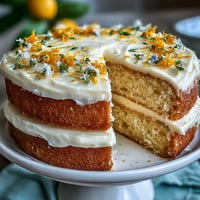
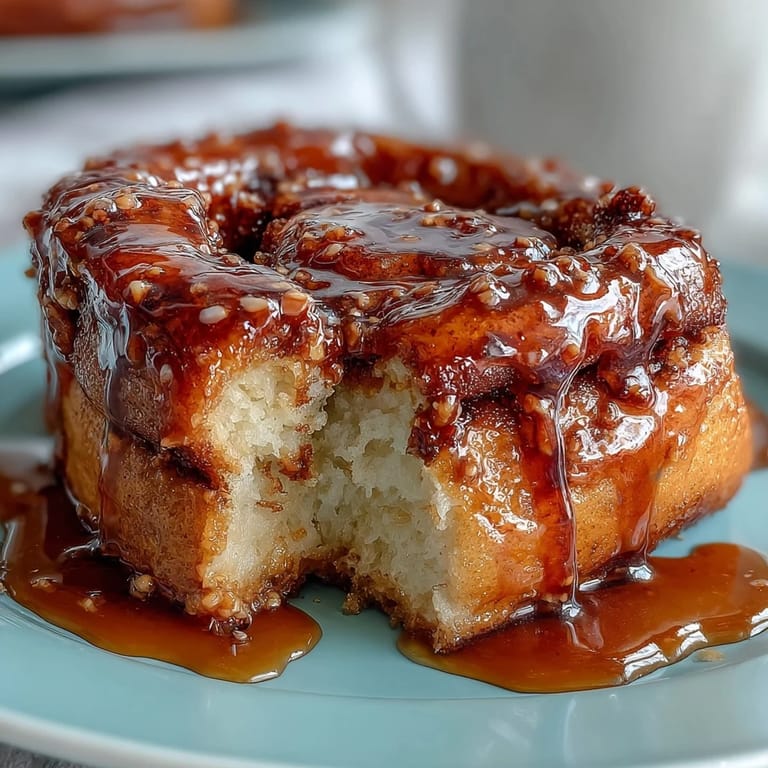
- Drizzle the glaze over the cooled cake in a thin, irregular pattern (it doesn't need to be perfect—imperfect looks homemade and charming). Let it set for 10 to 15 minutes so it firms up slightly before slicing.
 Save
Save The first time someone brought this cake to a dinner and told everyone I'd made it, I felt that quiet satisfaction that comes from knowing something you created made a moment better. It's become the cake I reach for when I want to give someone something that tastes thoughtful, not just sweet.
The Magic of Dandelion Honey
Dandelion honey tastes different from what most people expect—it's grassy and delicate, with this underlying floral note that reads almost herbal. Once you taste it, you understand why pairing it with lemon makes so much sense; the citrus brightens what could otherwise feel heavy, and together they create this balance that sits somewhere between spring garden and bakery window. If you've never cooked with it before, this cake is the perfect introduction because the honey isn't fighting for attention—it's blending into something larger than itself.
Why the Lemon Glaze Makes All the Difference
A plain honey cake is nice, but the glaze is what elevates it from "pretty good" to "people ask for the recipe." The glaze works because it's not hiding anything—it's just honey, lemon, and sugar, but the way those three ingredients sit on top of the warm cake lets each flavor announce itself. I learned this the hard way by making a cake without the glaze once, and it was competent and forgettable. The glaze changes everything.
Variations and Serving Suggestions
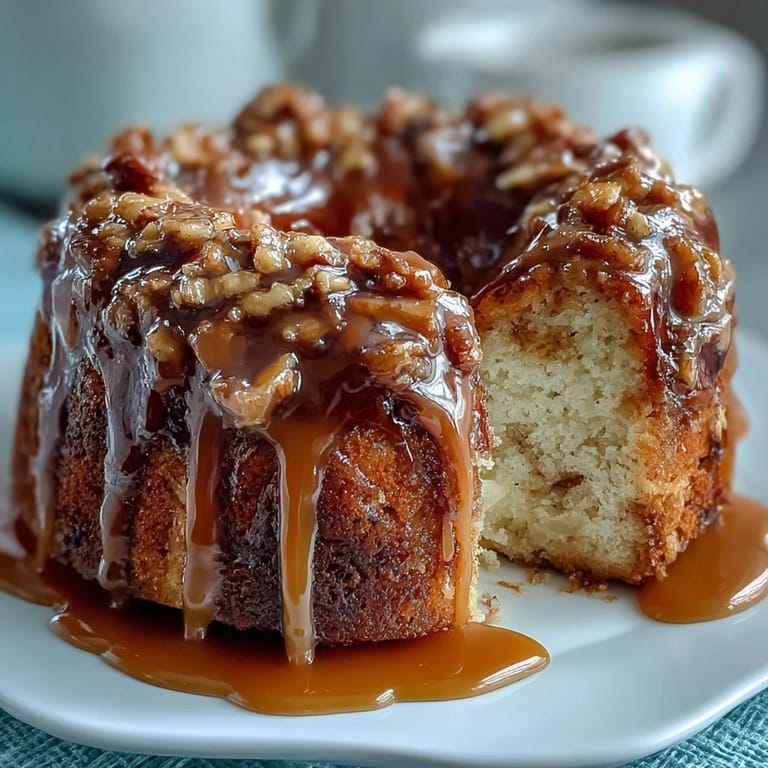
Once you nail the basic cake, you can play with it a little—some people add a tiny pinch of ground lavender or fresh thyme to the batter, others fold in finely chopped unsprayed dandelion petals for visual drama and extra floral depth. This cake lives next to herbal tea better than coffee, though I've seen people drink mediocre coffee alongside it and seem perfectly happy. It pairs beautifully with light, floral wines if you're going fancy, or just a glass of cold milk if you're not.
- Add 2 tablespoons of finely chopped unsprayed dandelion petals to the batter if you want an extra boost of that green, grassy flavor.
- Store leftovers in an airtight container at room temperature for up to 3 days, and it actually gets moister as it sits—the honey keeps drawing in moisture from the air.
- This cake can be made a day ahead, glazed the morning of serving, and it stays fresh and fragrant the whole time.
 Save
Save This cake reminds me that the best recipes aren't about following rules perfectly—they're about understanding what makes something work and trusting that understanding. Make it, share it, and watch what happens.
Common recipe questions
- → How do I ensure the cake stays moist?
Use room temperature butter and eggs, and avoid overmixing the batter to keep the crumb tender and moist.
- → Can I substitute dandelion honey with regular honey?
Yes, regular honey works well and maintains the sweet floral notes, though dandelion honey offers a unique aroma.
- → What is the best way to apply the lemon glaze?
Whisk the glaze ingredients until smooth, then drizzle evenly over the cooled cake and allow it to set before serving.
- → Can this cake be made ahead of time?
Yes, it can be prepared and glazed a day ahead; store in an airtight container at room temperature to maintain freshness.
- → What tools do I need to bake this cake?
A 9-inch round cake pan, mixing bowls, an electric mixer or whisk, measuring cups, a microplane or zester, and a wire rack are recommended.